
Sanur Roadstead: Anchoring Off Bali’s East-Coast Sandbar
Bali Yacht Concierge Service Editorial Desk 6 min read
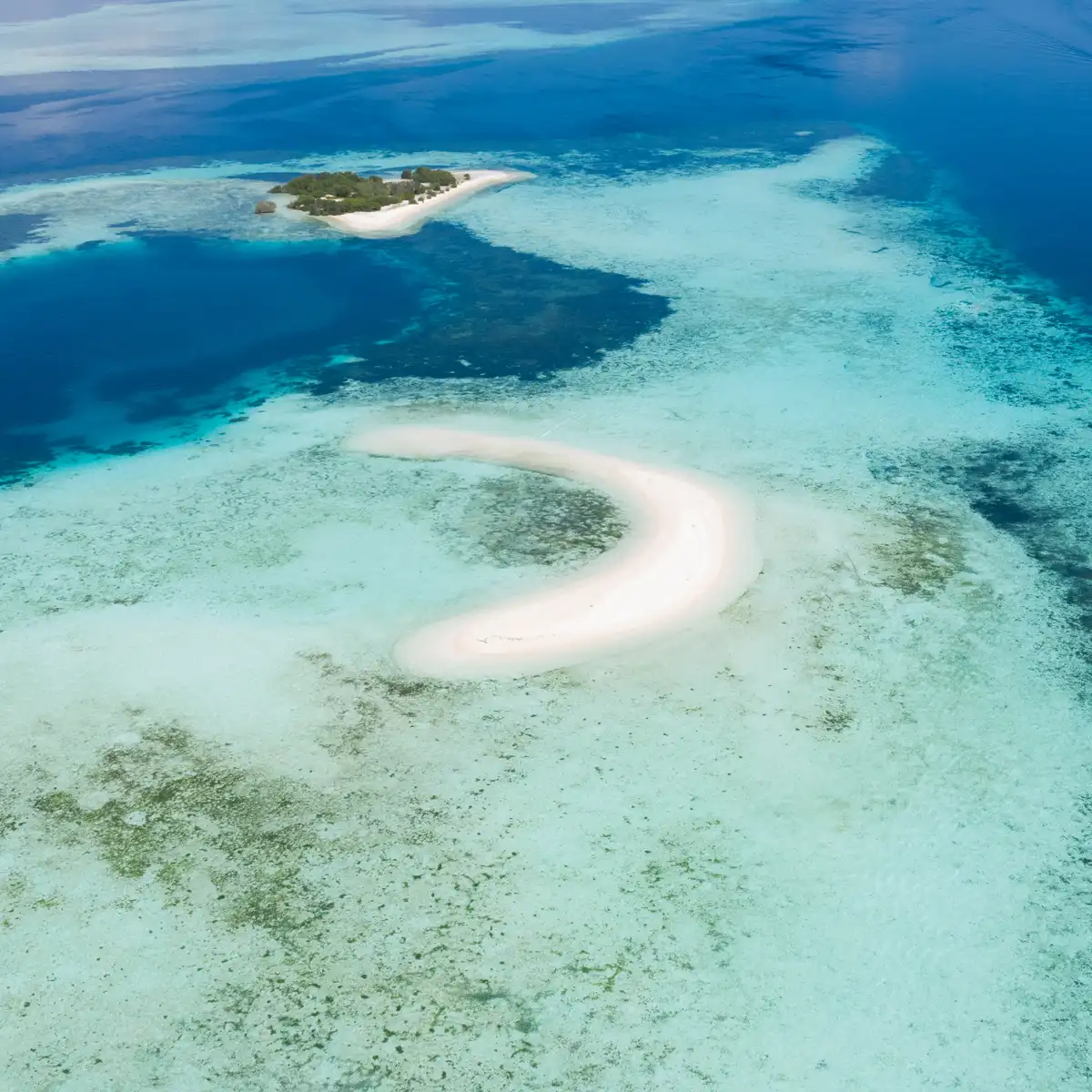
Sanur is Bali’s understated roadstead: a long east-facing beach behind a fringing reef, twenty minutes from the airport, with a lagoon that shelters shallow-draft vessels and an outer roadstead where yachts lie in settled weather. It lacks Benoa’s infrastructure and Amed’s drama, and that is exactly its use case — a practical, pretty staging anchorage on the island’s most convenient coast.
The Approach and the Lagoon
The fringing reef runs the length of the beach with marked channels serving the boat traffic to Nusa Penida and Lembongan — fast ferries use them all day, which tells you they work and also tells you to time your entry around them. Inside, the lagoon carries genuinely shallow water: useful for tenders, catamarans and local craft on moorings, but most visiting yachts draw too much for comfort and lie outside instead. Charts here deserve cross-checking against eyes and sounder; sand moves, and the reef’s inner edges are better defined by water colour than by any electronic layer.
Holding, Swell and the Current
Outside the reef, anchoring is over sand in roughly 8–18 m with fair holding once the anchor is properly set. Two forces shape comfort. The Badung Strait current runs hard along this coast and swings with the tide — yachts lie to current as much as wind, so expect the boat to sit across the breeze and rig flopper stoppers accordingly. And swell wraps the island’s southern tip into the roadstead in the trade season: mornings are typically the calm window, afternoons livelier. In the north-west monsoon Sanur gains appeal as the island’s lee coast, though squall lines still demand attention. It is a fair-weather-plus anchorage: better than its reputation, short of all-weather.
Shore Access and What Sanur Solves
The beach landing is the whole point. Tenders run through the channels to hotel jetties and the beach itself, putting crew and guests on a boulevard of restaurants, pharmacies, ATMs and taxis — and the airport inside half an hour. That geography makes Sanur the natural roadstead for guest turnarounds, provisioning top-ups delivered to the beach, and crew runs, with our desk scheduling drops to the sand the way we schedule trucks to the Benoa quay elsewhere; berth-versus-roadstead economics are compared in the Indonesia marina berths and rates guide. Formalities matters at Sanur have their own subtleties, covered in the companion piece on what Sanur can and cannot do as a clearance stop.
Sanur in the Itinerary
Yachts use Sanur three ways. As arrival staging: lie off Sanur the afternoon before a Benoa berth or a guest embarkation, with the airport run trivial. As the Penida springboard: the strait crossing to Crystal Bay and the manta sites is an hour’s hop — the dive logic is in our Bali dive itinerary guide. And as the quiet base for owners who prefer a beach town over a port: some vessels spend weeks rotating between the roadstead and Benoa services runs. The jukung fleet, the sunrise, the temple ceremonies processing to the sand — guests remember Sanur nights.
Practical Notes for the Log
Anchor clear of the channel mouths and the ferry lines; the traffic is professional but constant. Show a serious anchor light — night fishing craft work the roadstead. Respect ceremony days when parts of the beach close to landings. And watch the forecast’s swell period more than its height: long-period south-west energy is what finds its way around the corner and into the anchorage. Handled with those habits, Sanur is the most conveniently placed night at anchor Bali offers.
Sunrise Coast: What Guests Do From the Roadstead
Sanur’s shore programme is the gentlest in Bali, which is exactly what certain charter days need. The town’s beachfront path runs for kilometres — guests walk or cycle it at sunrise while the crew rig breakfast, and the morning light show over Nusa Penida is the reason locals call this the sunrise coast. Ashore: unhurried restaurants, spas that take same-day bookings, a night market for the adventurous galley, and the island’s calmest swimming for children inside the reef. Culture sits close — the Blanjong pillar, Bali’s oldest dated artefact, stands ten minutes from the beach, and ceremony processions cross the sand most weeks. For guests flying out, the airport run from a Sanur tender landing beats any traffic story the south can tell. None of it is dramatic, and that is the anchorage’s contribution: after Penida’s currents and before Komodo’s dragons, an easy day where the hardest decision is grilled fish or nasi campur.
Frequently Asked Questions
Can yachts anchor off Sanur Beach?
Yes — outside the fringing reef in roughly 8–18 m over sand, with fair holding once set. The lagoon inside the reef is for shallow-draft craft and tenders. Comfort depends on tide-driven current and wrapping swell, so mornings are the calm window and flopper stoppers earn their keep.
Is Sanur anchorage safe year-round?
It is a fair-weather-plus roadstead: good in settled trade-season conditions and surprisingly useful in the north-west monsoon as the island’s lee coast, but exposed to long-period swell wrapping Bali’s southern tip. Watch swell period in the forecast and be ready to shift to Benoa.
How do crew and guests get ashore at Sanur?
By tender through the marked reef channels to the beach or hotel jetties, timed around the constant Penida ferry traffic. Ashore is the payoff: restaurants, pharmacies, taxis and the airport within about thirty minutes, which makes Sanur ideal for guest changeovers and provisioning drops.
Why choose Sanur over Benoa for a night?
Convenience without the port: airport access nearly as good, a beach town instead of a harbour, and a one-hour springboard to Nusa Penida’s dive sites. Yachts stage arrivals, run guest turnarounds and base quiet weeks here, using Benoa only when berth services are actually needed.
Keep reading
Cruising Guides
Batam for Yachts: Anchorages, Nongsa Berths and Western-Gateway Bunkering
Batam is where many yachts meet Indonesia for the first time: a clearance-capable island twenty kilometres off Singapore,…
7 min read

Cruising Guides
Anchoring at Amed: East Bali’s Quiet Roadstead for Visiting Yachts
Amed is the anchorage Bali forgot to commercialise: a string of black-sand coves under Mount Agung on the…
7 min read
Cruising Guides
Fueling at the Gilis and Medana Bay: Small-Harbour Bunkering Notes
East of Bali the fuel map thins abruptly: no truck-to-quay bunkering, no barges on call, no calibrated meters.…
6 min read