A Gili Islands Dive Itinerary for Yachts: Three Islands, Five Days
Bali Yacht Concierge Service Editorial Desk 7 min read
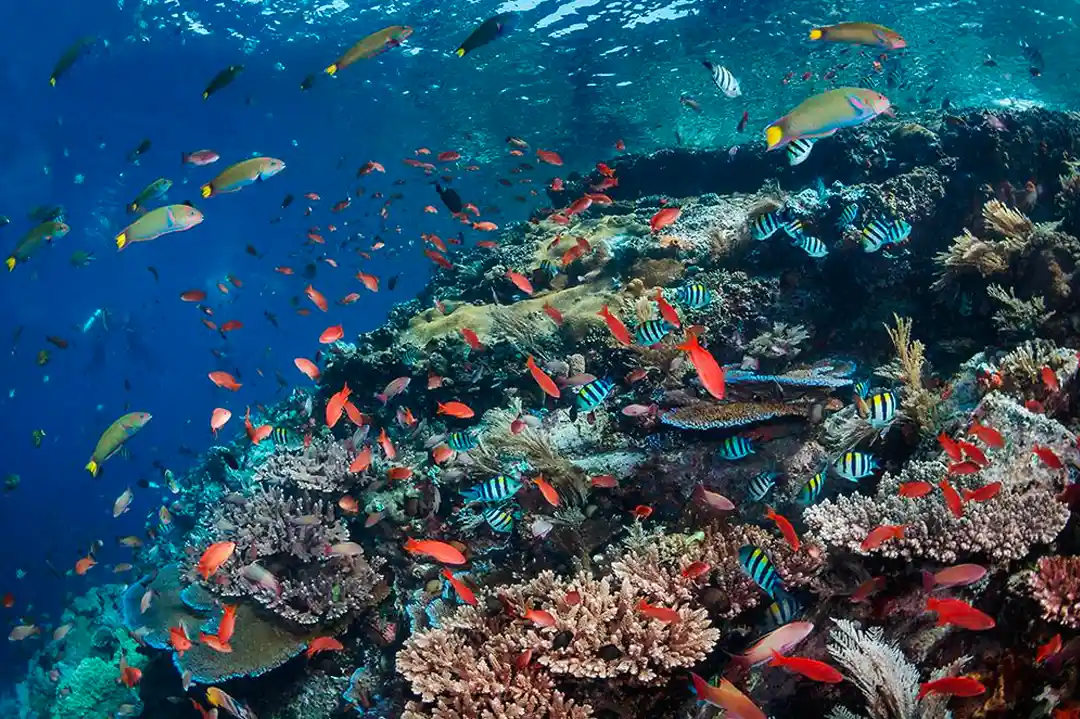
The Gilis — Trawangan, Meno and Air, three sand islands off Lombok’s north-west corner — deliver the easiest world-class diving in the Bali orbit: turtle densities that make guests laugh underwater, warm clear water, and sites five to twenty minutes’ tender ride from wherever the yacht lies. A five-day programme covers the trio without repetition and leaves the party rested rather than road-worn.
Getting There and Where the Yacht Lies
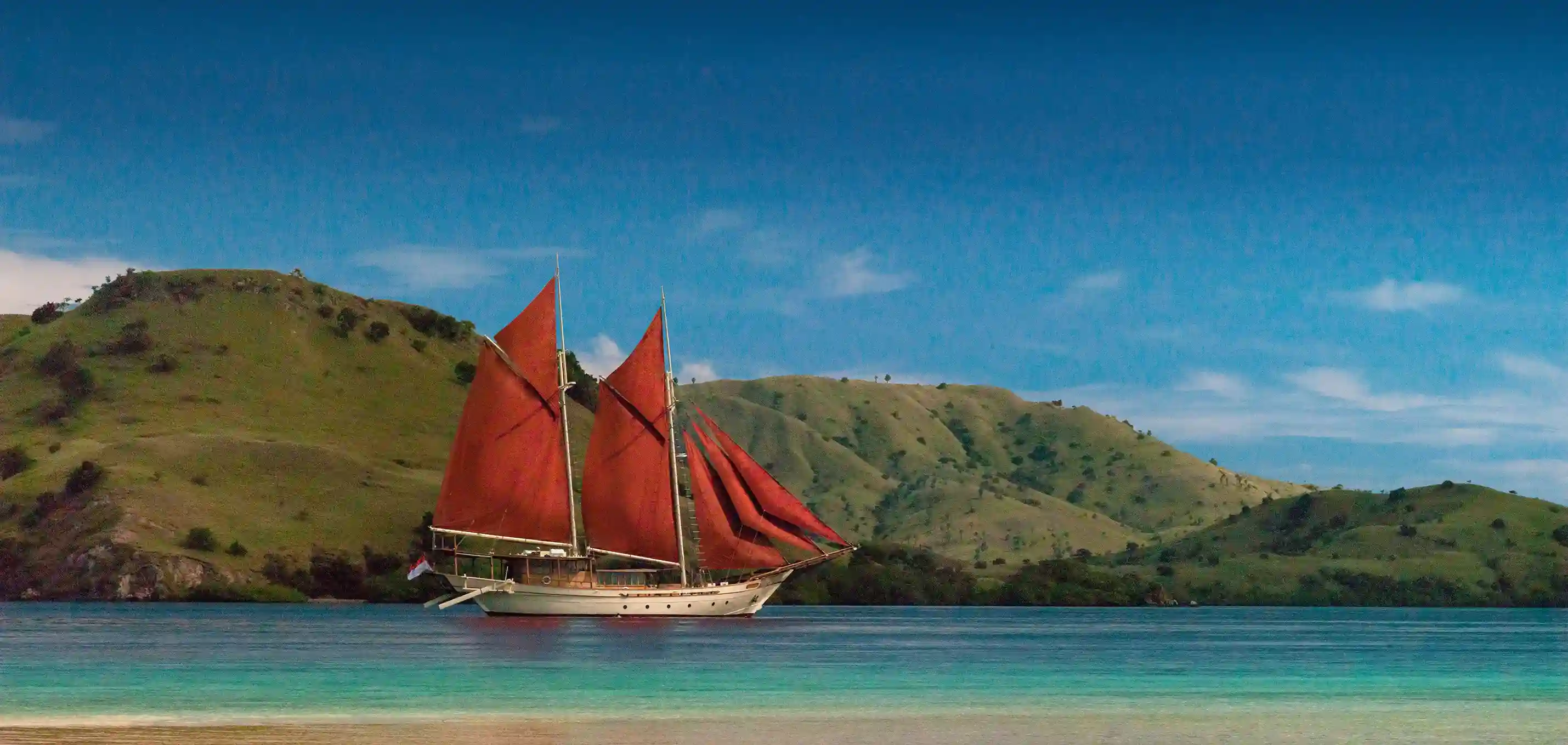
From Bali the Gilis sit a comfortable overnight or long-day passage across the Lombok Strait — time the crossing with the tide, because the strait’s current is the region’s serious variable. Off the islands, yachts use the moorings and anchorage areas on the sheltered sides, shifting with the season’s wind; holding over sand patches is fair, but coral protection rules matter here and anchoring on reef is both damaging and enforced against. Many programmes pair the Gilis with Medana Bay on Lombok proper as the secure base — the lay-up angle is covered in our guide to leaving a yacht at the Gilis or Medana Bay — keeping island nights for guests and marina nights for the boat.
Days One and Two: Trawangan’s Reefs and the Turtle Guarantee
Check dives open on Trawangan’s west-side reefs: easy profiles over coral gardens where green and hawksbill turtles graze in numbers that no longer surprise the guides but always surprise the guests. Day two works Shark Point and Deep Turbo — reef whitetips, schooling trevally, the occasional eagle ray over the deeper sand channels. Currents through the island gaps are tidal and real: the guides call slack windows, and drift plans put the tender down-current before divers enter. Nights, Trawangan’s restaurant strip is a legitimate guest excursion by tender.
Day Three: Meno’s Wall, the Statues and the Slow Lane
Gili Meno, the quiet middle island, owns the itinerary’s most photographed hour: the submerged statue circle off its shore, shallow enough for confident snorkellers, haunting at first light before day boats arrive — a yacht’s schedule wins again. Meno Wall fills the second tank with nudibranchs, frogfish hunting and turtles asleep under ledges. This is the day the photographers get their macro lenses out and the non-divers snorkel the statues; the afternoon belongs to Meno’s empty beaches.
Days Four and Five: Air’s Macro and the Lombok Option
Gili Air’s sites — Air Wall, Segaluh — lean toward the small and strange: ghost pipefish, mantis shrimp, seahorses in the rubble patches. Day five is the flex day: re-dive the party’s favourite, run a Lombok excursion inland from Medana, or cross to the reefs off Lombok’s north-west corner that day boats rarely reach. Guests logging all five days will have seen turtle-dense gardens, a wall, sculpture, macro and drift — a complete short course in tropical diving, none of it more than a tender ride from breakfast. The Bali-side equivalent circuit is mapped in our Tulamben–Penida–Menjangan dive itinerary.
The Support Layer
The desk stages the programme end to end: certified Gili-based guides embedded aboard, rental gear sized and delivered before departure, tank exchange arranged through island operators so fills never bottleneck the schedule, park and mooring fees handled, and provisioning topped up through Medana Bay or by arrangement to the islands. Emergency planning is filed before guests arrive — oxygen aboard, evacuation contacts current, the nearest chamber options identified. Guests see none of that machinery; they see turtles. Full itinerary construction, including pairing the Gilis with Komodo legs, runs through our itinerary desk.
Conservation Rules That Shape the Programme
The Gilis’ diveability is no accident — local rules protect it, and yacht programmes are built to respect them. Anchoring on coral is prohibited around all three islands; the moorings and sand-patch anchorages exist precisely so hulls and reefs never argue. Reef fees and mooring contributions fund the patrols and the biorock restoration structures guests see on several sites — worth explaining at the briefing, because guests support fees they understand. Turtle etiquette is enforced culturally as much as legally: no touching, no chasing, no flash at close range, a boat-length of respect at the surface. Fishing restrictions inside the protected zones mean spearguns stay stowed and lines stay dry within the island perimeters. Guides brief all of it in two minutes, and compliance is effectively total among the professional operators — one reason the sites still deliver turtles by the dozen after decades of traffic. Yachts that arrive knowing the rules are welcomed as part of the system.
Frequently Asked Questions
How many days do the Gili Islands need for a dive itinerary?
Five days covers the trio properly: two on Trawangan’s turtle reefs and deeper sites, one on Meno’s wall and statue circle, one on Air’s macro sites, and a flex day for favourites or Lombok’s rarely dived north-west corner — all within short tender range of the yacht.
Where does a yacht moor or anchor at the Gili Islands?
On the sheltered sides of the islands using the mooring and designated anchorage areas, shifting with the season’s wind. Anchoring on reef is prohibited and enforced; holding over the sand patches is fair. Many programmes base the yacht at Medana Bay nearby and day-run the islands.
Are the Gilis suitable for beginner divers from a yacht?
Ideal: warm, clear, mostly gentle sites with resident turtles from the first dive, plus a snorkeller-friendly statue circle off Meno. Currents in the island channels are the one real variable — guides call slack-water windows and set drift plans, which is exactly why local guides come embedded.
When is the best season for diving the Gilis by yacht?
The dry trade-season months, roughly May to October, give the most settled anchorages and crossings; visibility stays generous most of the year. The Lombok Strait crossing from Bali is timed to tide in any season — the current, not the weather, is usually the planning constraint.
Keep reading
Guest Experiences
A Dive-Led Yacht Itinerary Around Bali: Tulamben, Penida, Menjangan
Bali rewards divers who arrive by yacht more than almost any guest category. The island's three signature dive…
6 min read
Guest Experiences
From Enquiry to Embarkation: How a Bali Desk Curates the Right Yacht
Luxury yacht charter companies all promise the perfect boat; a curation desk earns its fee by refusing to…
6 min read

Guest Experiences
A Wedding on the Water: Planning a Yacht Wedding in Bali
A yacht wedding in Bali trades the villa lawn for a horizon: vows on a foredeck at golden…
7 min read