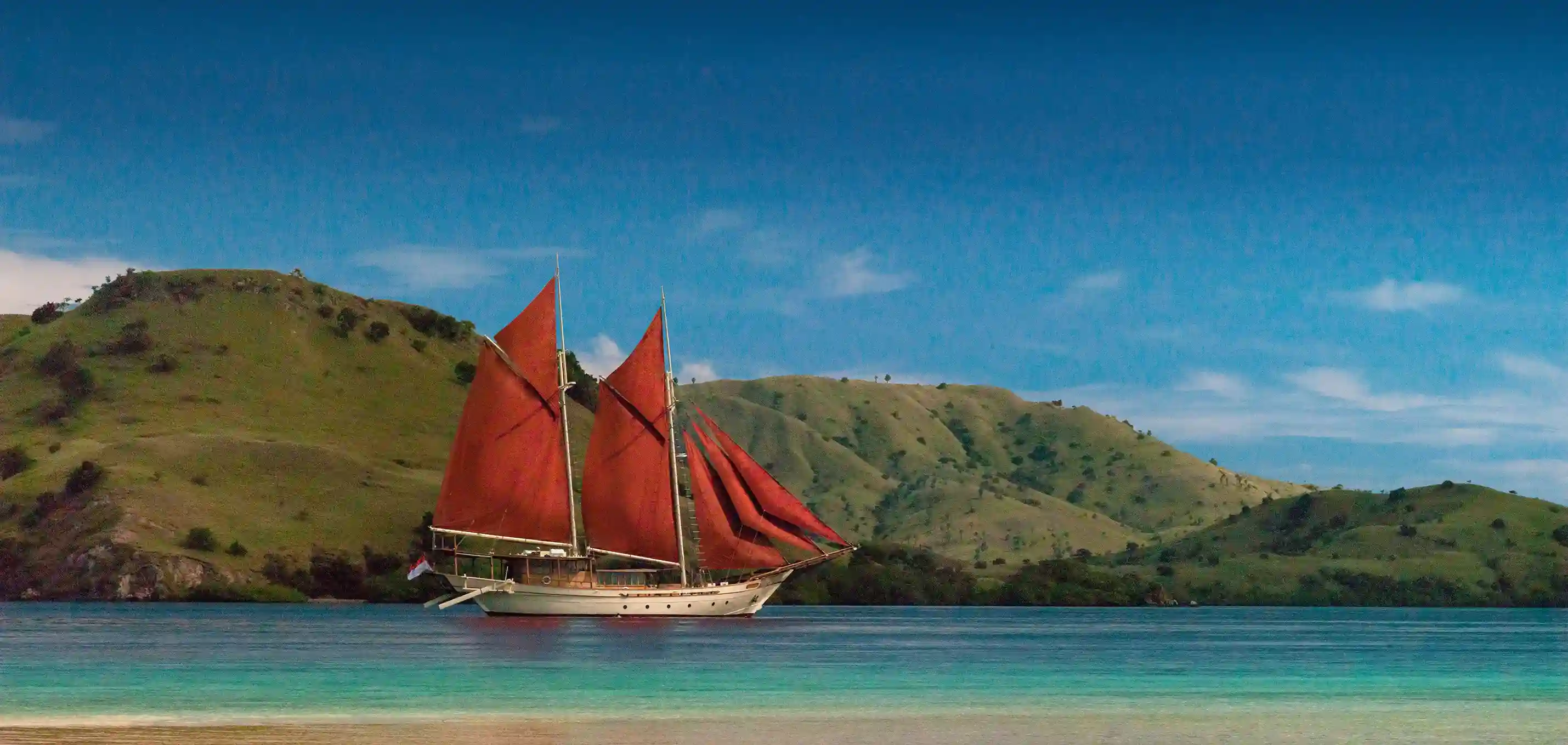
A Dive-Led Yacht Itinerary Around Bali: Tulamben, Penida, Menjangan
Bali Yacht Concierge Service Editorial Desk 6 min read
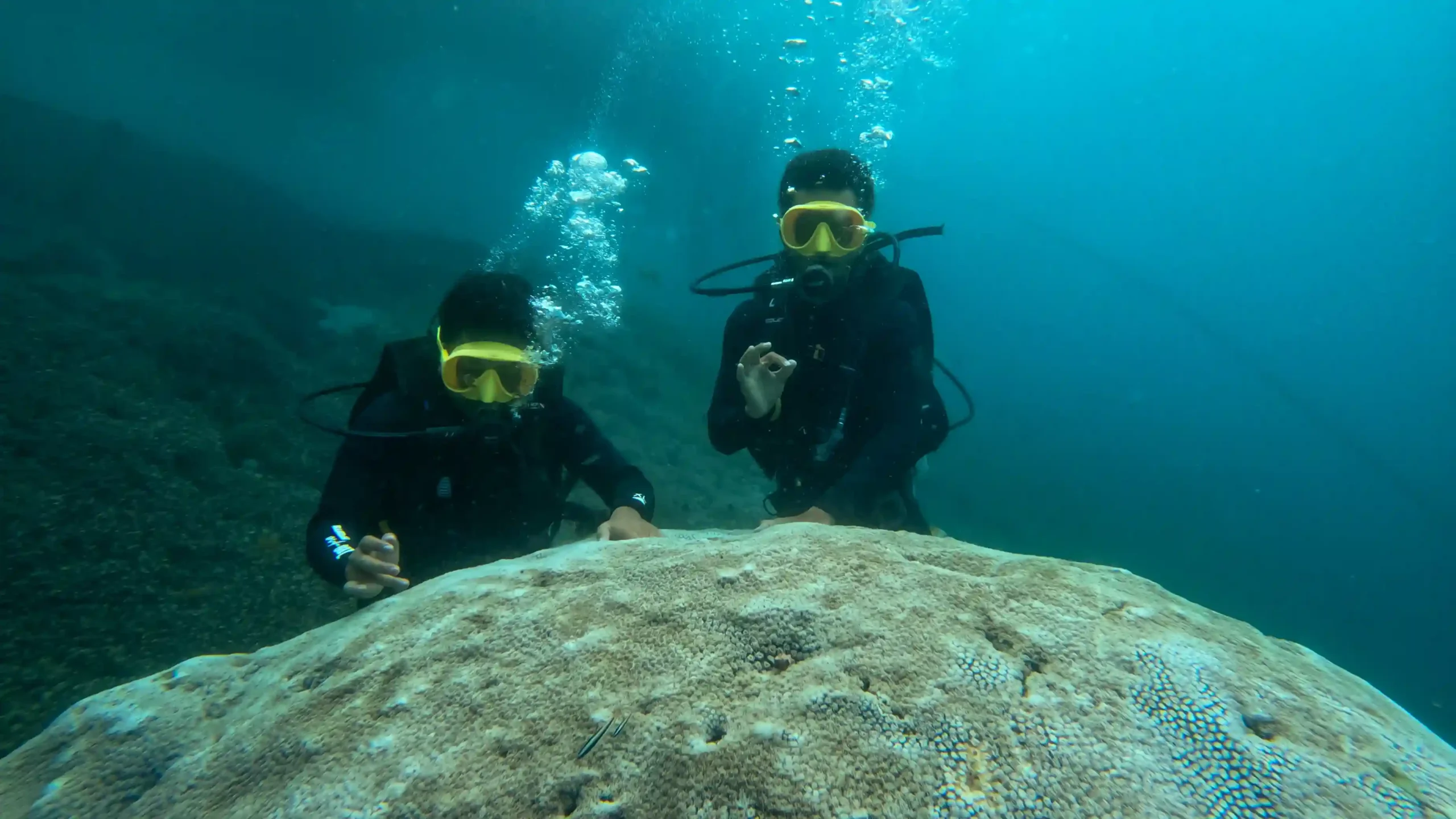
Bali rewards divers who arrive by yacht more than almost any guest category. The island’s three signature dive regions — Tulamben’s wreck coast, Nusa Penida’s big-animal drifts and Menjangan’s western walls — sit on opposite corners, awkward by road but natural by sea. A five-day circuit puts guests on each at the right tide, sleeping aboard between, with no dawn van transfers.
The Five-Day Shape
Day one runs from Benoa or Serangan around to Nusa Penida for afternoon check dives at Crystal Bay’s sheltered corner. Day two works Penida properly — Manta Point early, then the north-coast drifts. Day three crosses to Amed and Tulamben for the USAT Liberty wreck and the wall at Jemeluk, with the boat anchored in the roadstead we cover in our Amed anchorage notes. Day four rounds the north coast to Menjangan Island’s national-park walls. Day five recrosses toward home with a surface-interval-friendly afternoon of beach or spa. The full-route version — extending to Komodo — is built on our custom yacht itinerary desk.
Penida: Mantas, Mola and Moving Water
Nusa Penida is big-animal Bali: reef mantas at cleaning stations most of the year and, in the cool upwelling months of roughly July to October, the oceanic sunfish that made the island famous. It is also serious water — currents at Penida change strength and direction within a dive, and the sites deserve guides who read them daily, not seasonally. We place certified local dive professionals aboard for the Penida days specifically; they call the entry point on the morning’s current, not the brochure’s. Thermoclines bite here: guests want 5 mm suits in mola season however tropical the surface feels.
Tulamben: the Wreck That Made the Coast
The Liberty wreck lies metres off the black beach in 5–30 m — arguably the world’s most accessible large wreck, and glorious at first light before day-trippers arrive. A yacht anchored off Tulamben owns that window: guests are on the wreck at 06:30 with bumphead parrotfish still schooling, back aboard for breakfast as the crowds arrive by road. Jemeluk wall and the coral garden fill the second tank. Night dives on the wreck are a legitimate highlight for confident guests.
Menjangan: Walls in Still Water
Menjangan, inside West Bali National Park, offers the calm counterpoint: sheer walls in typically gentle conditions, gin visibility and park-managed moorings. Park fees and guide requirements apply and are arranged in advance — the same permit-desk logic as our marine park fees guide for Komodo and Raja Ampat applies in miniature. It is the region where newer divers consolidate and photographers finally get their wide-angle day.
Gear, Guides and Tender Logistics
The desk delivers the whole dive layer to the boat: rental gear in guest sizes staged aboard before departure, twin compressor or tank-exchange planning so surface intervals never wait on fills, certified guides embedded for the itinerary, and oxygen kit checked aboard with the nearest chamber contacts filed — Bali’s hyperbaric facilities sit in Denpasar, a fact that shapes conservative dive planning. Tender discipline does the rest: divers dropped up-current on the guide’s call, picked up on the drift line, cameras handed down last. Guests log four regions in five days and never touch a minivan.
Building Non-Diver Days Into a Dive Itinerary
Few charter parties are divers to the last guest, and the five-day circuit carries the mixed group well. At Penida, snorkellers see mantas from the surface at the same cleaning stations the divers work below, and the island’s clifftop viewpoints fill a surface interval ashore. Amed days split naturally: divers on the wreck at dawn, non-divers ashore for the warungs, salt-making huts and volcano photography, everyone back aboard for lunch. Menjangan’s calm water is the itinerary’s best snorkelling full stop, and the park’s deer-populated island walk suits the boat’s readers and birdwatchers. The itinerary also breathes: a spa afternoon in Sanur’s orbit, a beach barbecue staged by the crew, a sunset that needs no organising. The planning principle is simple — dive sites anchor the route, but each day carries a parallel programme, so the non-diving half of the party finishes the week as evangelical about it as the logbook-carriers.
Frequently Asked Questions
What are the best dive sites to combine on a Bali yacht itinerary?
The classic circuit joins Nusa Penida’s manta and mola drifts, Tulamben’s USAT Liberty wreck and Jemeluk wall, and Menjangan’s national-park walls in the west. By sea they fall into a natural five-day loop that road-based divers cannot replicate without brutal transfer days.
When is mola season at Nusa Penida?
The cool upwelling months, roughly July to October, give the best oceanic sunfish odds at Penida’s deeper cleaning stations. Mantas are resident most of the year. Bring 5 mm exposure protection in mola season — thermoclines drop the temperature sharply below the surface layer.
Can dive gear and guides be arranged on board the yacht?
Yes. Rental sets in each guest’s size are staged aboard before departure, tanks are exchanged or filled to keep surface intervals honest, and certified local guides join for the itinerary — essential at Penida, where currents are judged on the morning, not the season.
Is Tulamben’s Liberty wreck suitable for beginner divers?
Yes at the right hours: the wreck starts at about five metres, close to shore, and is forgiving in calm morning conditions. A yacht anchored off the beach puts beginners on it at first light before crowds, with a guide setting a shallow profile while experienced divers work the deeper stern.
Keep reading
Guest Experiences
From Enquiry to Embarkation: How a Bali Desk Curates the Right Yacht
Luxury yacht charter companies all promise the perfect boat; a curation desk earns its fee by refusing to…
6 min read
Guest Experiences
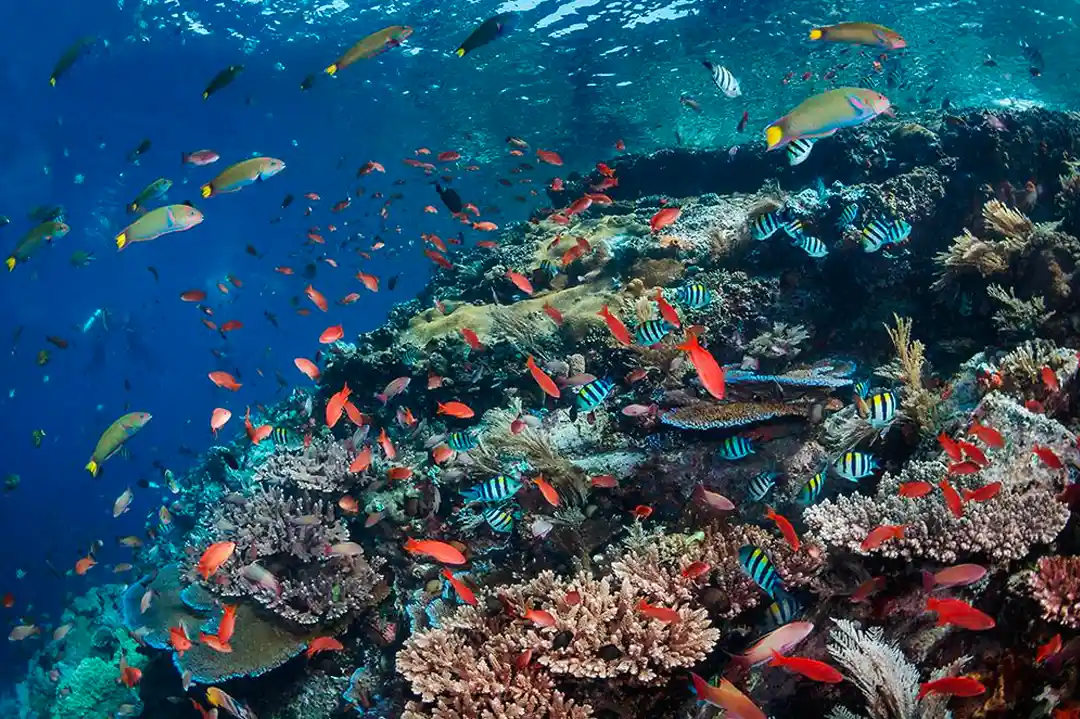
A Gili Islands Dive Itinerary for Yachts: Three Islands, Five Days
The Gilis — Trawangan, Meno and Air, three sand islands off Lombok's north-west corner — deliver the easiest…
7 min read
Guest Experiences
A Wedding on the Water: Planning a Yacht Wedding in Bali
A yacht wedding in Bali trades the villa lawn for a horizon: vows on a foredeck at golden…
7 min read