
Sanur as a Clearance Stop: What Yachts Can and Cannot Do
Bali Yacht Concierge Service Editorial Desk 6 min read
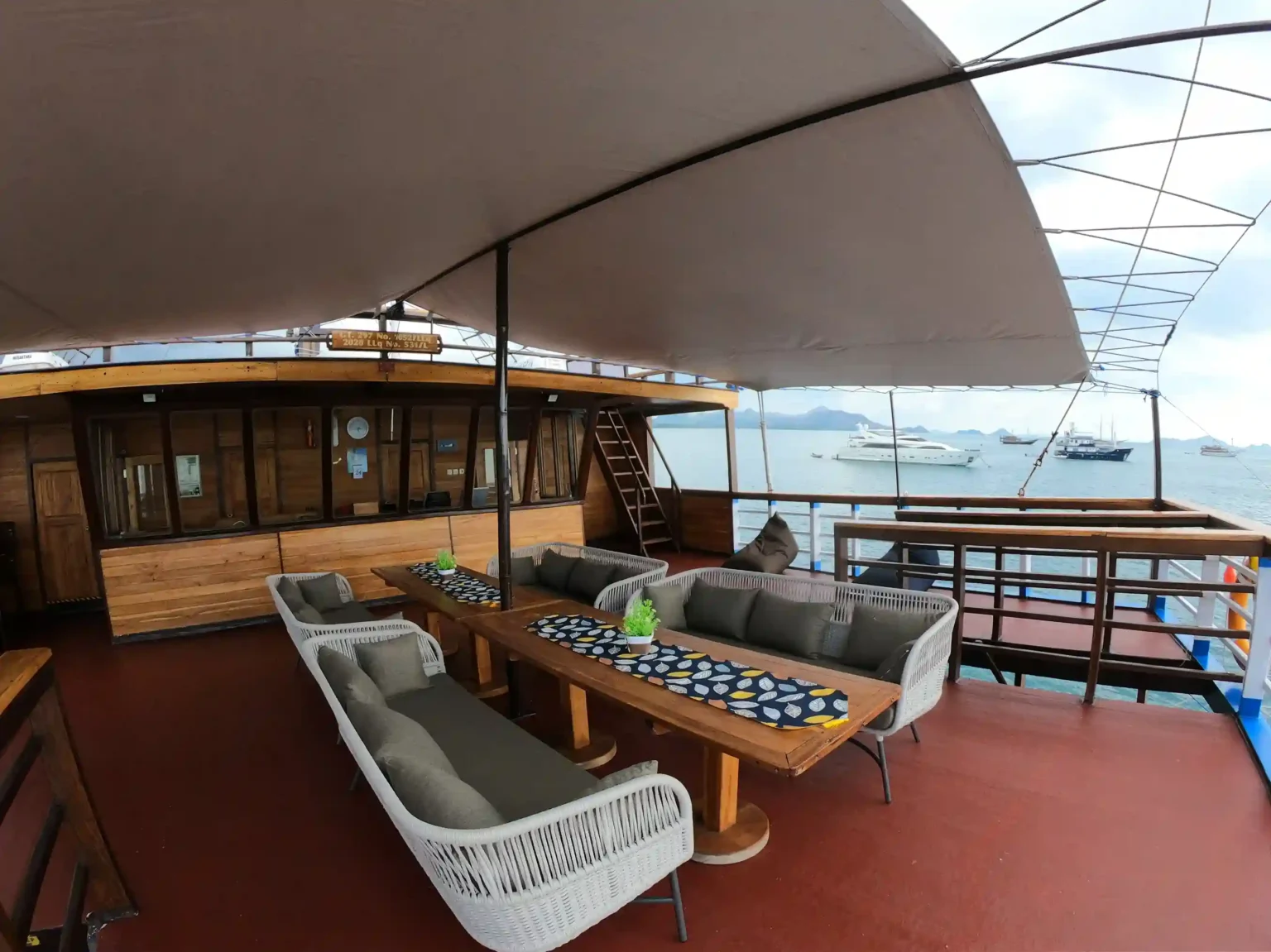
Sanur’s roadstead sits twenty minutes from Bali’s airport and forty from the island’s clearance machinery at Benoa — a geography that makes captains ask, every season, whether the anchorage can double as a clearance stop. The short answer: Sanur works well for yachts already inside Indonesia and for arranged formalities, and poorly as a substitute for a first international entry. The longer answer is worth having straight, because the difference between the cases decides whether your stop is routine or expensive.
The Administrative Reality
Sanur is a beach roadstead with ferry channels, not a designated port of entry: customs, immigration, quarantine and harbourmaster reside at Benoa, and the offices that serve Sanur’s public ferry traffic to Nusa Penida handle passenger movements, not foreign-vessel CIQP files. What Sanur offers a yacht is proximity — officials and agents can reach the beach quickly by road, documents can move fast, and the airport run for crew or guests is the island’s shortest. Proximity enables arranged attendance; it does not convert the anchorage into an entry port.
What Works at Sanur
Three cases run smoothly. Domestic movements: a yacht already cleared into Indonesia can stage at Sanur freely, with the agent notified of the movement — the anchorage’s practical side is covered in our Sanur roadstead anchoring guide. Crew and guest changes with immigration formalities: arranged official attendance by road works here better than anywhere outside Benoa, given the short drive — with pre-lodged documents and agreed windows. Departure formalities in specific arrangements: some outbound files can be completed with the vessel lying at Sanur and papers moving by road, sparing a Benoa call on the way out. Each case runs through an appointed agent; none is a walk-up service at the beach.
What Does Not Work
A first international arrival — the full CIQP entry for a yacht reaching Indonesia — belongs at Benoa, where boarding officers, inspection capacity and the temporary import process live. Attempting it at Sanur means requesting multiple agencies attend an open roadstead for a case their procedures assume happens alongside at a port: occasionally arranged for compelling reasons, always slower and costlier, never the plan A. The parallel case on the island’s east coast is covered in our note on clearing in via Amed; the full entry mechanics live on the Indonesia clearance desk page. Un-notified anchoring while on an uncompleted international arrival is the true trap — it reads as an attempt to avoid clearance, and the consequences are proportionate to that reading.
The Patterns That Use Sanur Well
Inbound: clear at Benoa, then shift to Sanur the same day for airport convenience and a better night at anchor — many crews prefer it to lying in port. Turnarounds: mid-cruise guest changes at Sanur with fast-track airport runs, the desk moving manifests through the agent while drivers move people. Outbound: complete what can be arranged by road while enjoying a final Sanur evening, then sail. In each pattern the anchorage does what it is genuinely best at — being close to everything — while Benoa does what only Benoa can.
Costs and Lead Times
Working figures: domestic movement notifications through the agent add minimal cost to a Sanur stop; arranged immigration attendance carries attendance fees and needs working days of notice, priced case by case with official charges split from service; exceptional arrangements price accordingly and rarely beat a Benoa call on anything but convenience. Send the itinerary and the desk will place your case in the right column before you commit an ETA.
A Turnaround Day at Sanur, Timed
The mid-charter guest change is Sanur’s signature service, and a well-run one reads like this: 06:00, yacht anchors off the channel after the overnight from Lombok; 07:30, outgoing guests tendered ashore with luggage, met by drivers, airport in twenty-five minutes for morning flights. 09:00, provisioning top-up arrives at the beach — cold chain in boxes, florals, the chef’s forgotten items — and tenders out with the laundry exchange. 10:30, agent’s runner collects and returns paperwork for the domestic movement file. 13:00, incoming guests land, fast-track met, drivers rolling by 13:40. 15:00, guests board a made-up boat with new flowers and a briefed crew; 16:00, anchor up for Penida with the afternoon still usable. The entire day needs no berth, no port call and no formality theatre — just sequencing, which is what the desk exists for. The same day attempted without coordination routinely loses the afternoon and occasionally a guest’s luggage.
Frequently Asked Questions
Can a yacht clear into Indonesia at Sanur?
No in the practical sense: Sanur is a roadstead, not a designated port of entry, and full CIQP arrival belongs at Benoa where the machinery resides. Yachts already cleared into Indonesia use Sanur freely as a domestic stop, and specific formalities can be arranged there by official attendance.
Can crew changes with immigration be done at Sanur?
Yes, better than anywhere outside Benoa: the short road distance makes arranged official attendance practical, with documents pre-lodged and windows agreed. Add attendance fees and several working days of notice. Spontaneous immigration formalities at the beach are not a service that exists.
Why do yachts anchor at Sanur after clearing at Benoa?
Because the combination wins: Benoa provides the entry machinery, then Sanur provides a better night — cleaner water, airport twenty minutes away, restaurants ashore by tender. Clearing in port and sleeping at the roadstead is the standard Bali pattern for visiting yachts.
What happens if a yacht anchors at Sanur before completing clearance?
Un-notified anchoring on an uncompleted international arrival reads administratively as clearance avoidance, and boardings, fines and formal trouble follow that reading. The rule is simple: complete entry at Benoa first, or have an agent arrange and document any exception before the anchor goes down.
Keep reading
Port Services
Indonesia Cruising Permit Costs in 2027: What Agencies Actually Charge
A foreign yacht's cruising paperwork for Indonesia in 2027 costs far less in official fees than most quotes…
7 min read
Port Services
Burgess in Asia and the Bali Shore Desk: How Central Agents Work With Local Support
When a managed superyacht plans an Indonesian season, two layers of representation come into play. The central agent…
6 min read

Port Services
Clearing In via East Bali: Amed Formalities for Arriving Yachts
Every season a handful of yachts approach Bali from the east — out of Komodo, Lombok or the…
6 min read