
Diving Komodo and Raja Ampat from Your Own Yacht: Guides, Tanks and Tender Logistics
Bali Yacht Concierge Service Editorial Desk 5 min read
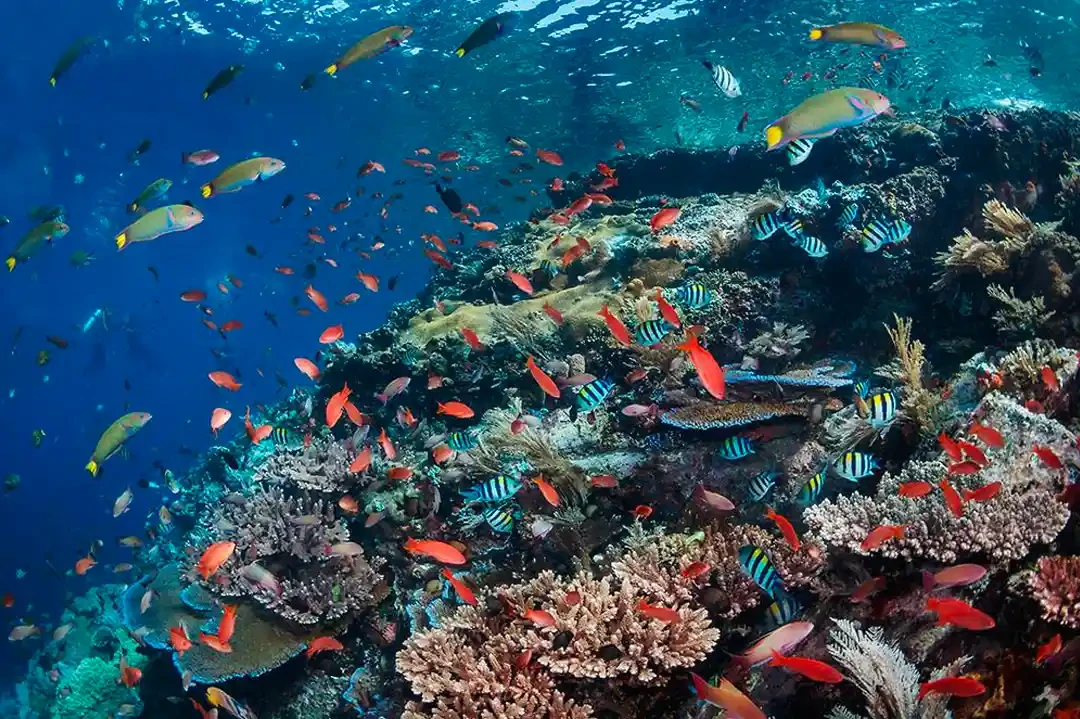
Diving Komodo and Raja Ampat from a private yacht comes down to three problems, solved before you leave the dock: certified guides who read each site’s current, a dependable tank-fill chain, and a tender rigged for live-boat drift diving. Komodo is the easier region, with dozens of dive operators and compressor capacity a short tender run from Labuan Bajo. Raja Ampat is the opposite: world-class reefs with thin shore support, where fills, guides and spares must be arranged through Sorong or Waisai weeks ahead.
In short: for Komodo, book a guide with the charter and let the tide table set the schedule. For Raja Ampat, plan like an expedition: embark a guide from Sorong, carry spare tanks, and plan around a long evacuation to the nearest recompression chamber.
What Each Region Demands
Komodo’s best diving sits in the straits between Komodo, Padar and Rinca, at sites such as Batu Bolong, Castle Rock and Karang Makassar (Manta Point). The same tidal exchange produces currents an unguided diver should not attempt alone. Season runs roughly April to November, and Labuan Bajo is the logistics base for fills, guides and spares.
Raja Ampat spreads its diving over a larger area: the Dampier Strait near Waisai, the Fam Islands, and Misool a full day’s steam south. Season runs roughly October to April, opposite Komodo. Sorong is the practical supply port, Waisai has limited services, and support can be hours or days away.
Sourcing Certified Dive Guides
Labuan Bajo has a large pool of freelance divemasters between resort seasons, with day rates roughly USD 80 to 200. Confirm a guide when you confirm the boat; peak season books out early. Their real value is current-reading: judging the water and calling the entry point at sites like Castle Rock. Komodo Luxury runs a daily diving programme in the park, and we draw guides and current intelligence from that network for yacht clients.
Raja Ampat guides are scarcer, mostly attached to resorts, homestays or liveaboards. Options are to embark a guide in Sorong for the cruise, arrange one through a nearby resort, or bring a guide from Bali and accept thinner local knowledge. For Misool, an experienced local guide is worth the cost: the southern sites are remote and unforgiving of guesswork.
Tanks, Fills and Equipment
If the yacht carries its own compressor, service it before the trip and carry filters, oil, o-rings and fill-whip spares, since neither region stocks parts reliably. A compressor plus eight to twelve tanks covers a typical two-couple charter diving twice daily.
Without a compressor, Komodo is straightforward: Labuan Bajo dive centres fill air routinely and several supply nitrox with notice. Raja Ampat is different; fills come from resorts around Waisai and Sorong, almost always by prior arrangement, and nitrox is scarce. On a Misool leg, assume no fills between departure and return. Rental gear runs out in Labuan Bajo and barely exists in Raja Ampat, so sail with your own serviced regulators, computers and exposure suits.
Current Management: the Safety Core
Both parks are tidal-current environments, and the rules hold everywhere: dive the slack window, not the clock, so the day bends around the tide table. The guide or tender crew reads the water at the site before anyone enters, and moves to a lee alternative if it’s running hard. Every diver carries a DSMB and can deploy it mid-water; in Raja Ampat’s remoter areas we also recommend an audible signal and a personal AIS/GPS beacon. Agree abort criteria before the dive, not during it.
Emergency planning deserves blunt language. Komodo incidents generally evacuate toward Bali, where hyperbaric treatment is available in Denpasar, a flight away rather than a tender ride. Raja Ampat evacuations typically route through Sorong toward Makassar; do not plan around the occasional chamber that has operated in Waisai. Every diver should hold current DAN or equivalent cover, and the tender needs a properly sized oxygen kit.
Tender Logistics for Live-Boat Diving
Most sites are dived from a moving tender rather than the anchored yacht, so it needs tank racks or padded stowage, a boarding ladder, oxygen and first-aid kits, VHF plus a handheld GPS, water, shade and a second radio on the yacht for scheduled check-ins.
Drills matter more than gear: the coxswain follows the group’s bubbles down-current, keeps the propeller clear during pickups, and knows each site’s drift lines. The same crew can run ranger-guided land visits between tidal windows; our guide to shore excursions for yacht guests covers how those fit around a diving day.
Permits and Park Fees
Komodo National Park charges per-person entrance and activity fees, roughly IDR 300,000 to 500,000 per diver per diving day; verify the schedule each season. Raja Ampat requires a marine park permit, historically IDR 700,000 to 1,000,000 for international guests and valid twelve months. Our Raja Ampat yacht support desk handles port clearance and park notifications ahead of arrival.
How We Set This Up
Bali Yacht Concierge is a concierge and booking desk, not a dive operator: we arrange guides, fills, tanks, permits and evacuation-ready safety plans through vetted partners in Labuan Bajo, Sorong and Waisai. Send us the boat, dates and diver certifications, and we will return a guide shortlist, a fill plan and the permit checklist for your window. Message us on WhatsApp at +62 811-2859-0000 or email sales@balipremiumtrip.com.
Keep reading
Guest Experiences
A Dive-Led Yacht Itinerary Around Bali: Tulamben, Penida, Menjangan
Bali rewards divers who arrive by yacht more than almost any guest category. The island's three signature dive…
6 min read

Guest Experiences
From Enquiry to Embarkation: How a Bali Desk Curates the Right Yacht
Luxury yacht charter companies all promise the perfect boat; a curation desk earns its fee by refusing to…
6 min read
Guest Experiences
A Gili Islands Dive Itinerary for Yachts: Three Islands, Five Days
The Gilis — Trawangan, Meno and Air, three sand islands off Lombok's north-west corner — deliver the easiest…
7 min read