
Condition and Insurance Surveys in Indonesia: Booking a Yacht Surveyor
Bali Yacht Concierge Service Editorial Desk 7 min read
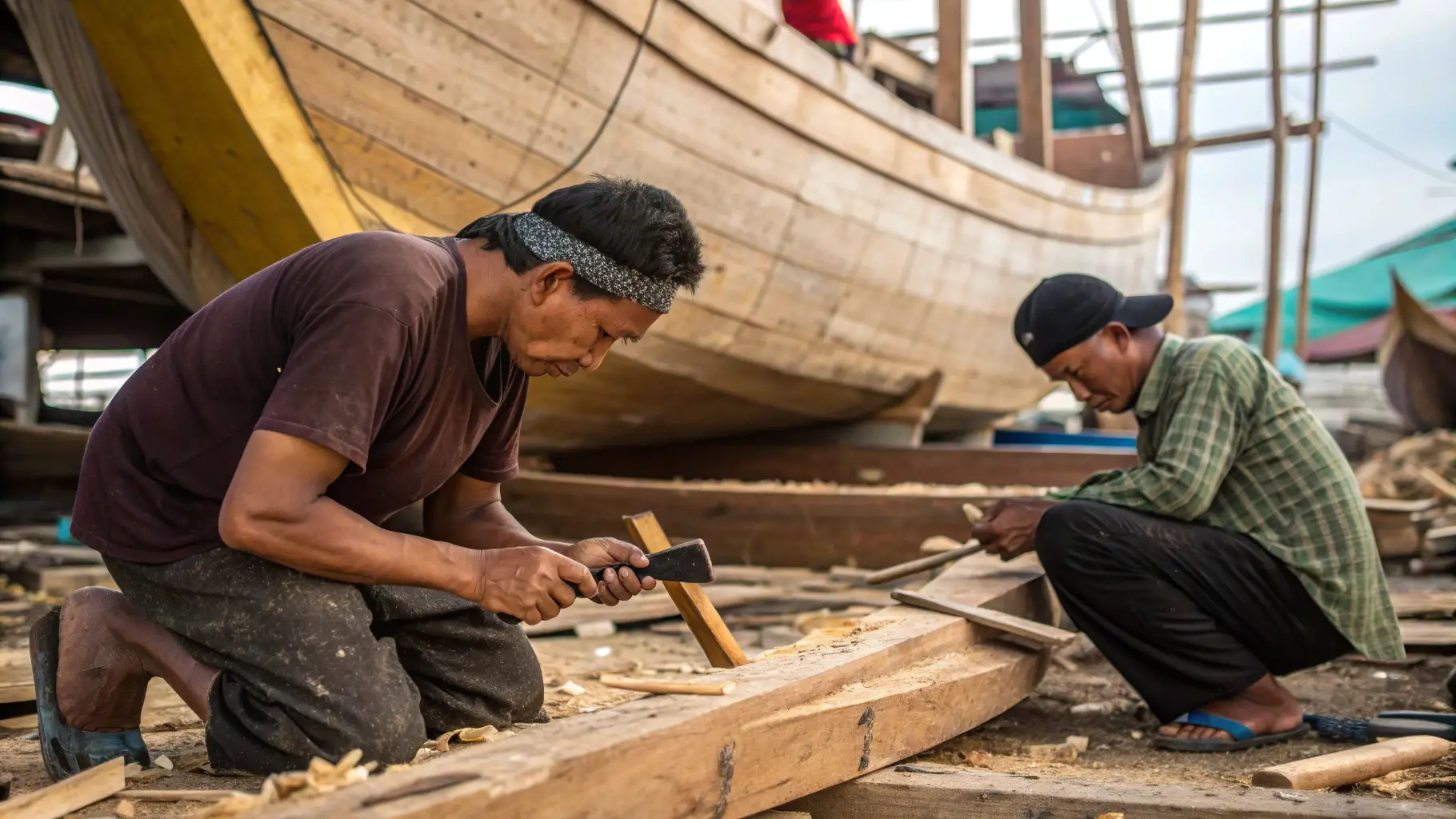
Sooner or later every yacht in Indonesian waters needs a surveyor: the insurer demands one at renewal, a purchase hinges on one, or an owner simply wants the truth about a hull before committing to a season east. The good news is that credible marine surveyors do work Indonesia — resident and fly-in — and reports to international standard are entirely achievable here. The craft is matching the right survey type and the right surveyor to the job, then building the inspection day properly.
Which Survey You Actually Need
The names matter because the scopes differ. A condition survey is the general health check: structure, systems, safety equipment, moisture readings, with a valuation — the document insurers usually mean when they ask for ‘a survey’. An insurance survey is a condition survey aimed at a renewal, often with the insurer’s own emphasis list. A pre-purchase survey is the deepest form: everything above plus sea trial, engine investigation and the negotiating detail a buyer pays for — the after-sale context is in our brokerage and after-sale guide. Damage surveys document casualties for claims, and rig surveys are their own specialist discipline. Telling the surveyor which product you need — and which insurer will read it — shapes the day and the report.
Who Surveys in Indonesia, and Accreditation
The working pool has three parts: resident internationally accredited surveyors — members of bodies like IIMS and SAMS — based around the yachting centres; regional fly-ins from Singapore, Thailand and Australia for larger yachts and specialist scopes; and Indonesia’s commercial-marine surveying industry, deep in ships but variable in yacht familiarity. For insurance and purchase work involving international underwriters, accreditation is the filter that matters: ask for the surveyor’s membership, sample report and professional indemnity cover, and confirm your insurer accepts the credential before booking — a report the underwriter rejects is money spent twice. The desk keeps a vetted panel current and matches credential to requirement as part of the owner services programme.
Building the Inspection Day
A survey is a logistics exercise wearing a clipboard. Out-of-water inspection needs a haul-out or careful tidal arrangement — slipway booking, pressure wash and hardstand time coordinated so the surveyor meets a clean, accessible hull; the yard landscape is mapped in our island yard and haul-out landscape. Systems inspection needs the boat alive: batteries up, engines startable, seacocks reachable, lockers emptied where moisture readings matter. Sea trial needs crew, fuel and a weather window. And documents need assembling before the day — registry, previous reports, maintenance logs — because a surveyor reconstructing history from guesswork writes a more conservative report than one reading a tidy file. The desk stages all of it, then simply hands the surveyor the boat.
Reading the Report Like an Underwriter
Reports grade findings — typically by urgency, from safety-critical through recommended to cosmetic — and insurers read the top grade first: expect renewal terms conditional on safety-critical items with completion evidence. The intelligent owner response is to price the findings immediately, fold them into the next yard visit, and return the completion documentation promptly; the naive response is to file the report and rediscover it at claim time. On purchases, the graded list is the negotiation: systems findings are budget lines, structural findings are price conversations, and the report’s valuation anchors both insurance and the deal.
Costs and Lead Times
Working figures in USD: condition and insurance surveys on cruising-size yachts run to the high hundreds through low four figures depending on size and scope; pre-purchase work with sea trial and engine investigation runs higher; fly-in surveyors add travel at documented cost, which shared scheduling — two boats, one visit — can soften. Lead times run from days for resident surveyors in quiet season to weeks when fly-ins and haul-out slots must align. The renewal habit that removes all drama: book the survey when the insurer’s letter arrives, not the week the policy lapses.
After the Report: Closing Findings Without Drama
The report’s arrival starts a short project that too many owners leave unmanaged. Triage the graded list the day it lands: safety-critical items get quotes within the week, because insurers commonly condition cover on completion evidence within a stated period; recommended items get folded into the next scheduled yard window; cosmetic notes get a line in the maintenance plan and no adrenaline. Every completed item generates its own paper — invoice, photograph, a line from the yard — collected into a completion dossier that mirrors the report’s numbering, so the underwriter’s file closes with one email. Where a finding is disputed — surveyors are conservative by profession — the productive route is a second opinion on that item alone, documented, rather than a quarrel with the whole report. Twelve months later the renewal letter arrives and the cycle repeats, shorter this time, because the dossier exists. Surveys stop being events and become bookkeeping — which is precisely what an insurer wants to see.
Frequently Asked Questions
What is the difference between a condition survey and an insurance survey?
Scope and audience: a condition survey is the general structural and systems health check with valuation; an insurance survey is the same product aimed at a renewal, shaped by the insurer’s emphasis list. Pre-purchase surveys go deeper — sea trial and engine investigation — for a buyer’s negotiation.
Are internationally accredited yacht surveyors available in Indonesia?
Yes: resident surveyors holding IIMS and SAMS-class accreditation work the yachting centres, with regional fly-ins from Singapore, Thailand and Australia for larger or specialist scopes. For international underwriters, confirm the credential is accepted before booking — accreditation is the filter that matters.
What should be prepared before a yacht survey in Indonesia?
The boat and the paper: haul-out or tidal access booked with a washed hull, batteries up and engines startable, lockers cleared for moisture readings, crew and fuel for the sea trial, and documents assembled — registry, prior reports, maintenance logs. A staged boat earns a sharper, fairer report.
How much does a yacht survey cost in Indonesia?
As working figures: condition and insurance surveys on cruising-size yachts run high hundreds to low four figures USD by size and scope; pre-purchase with sea trial runs higher; fly-in surveyors add documented travel. Book when the insurer’s letter arrives — lead times stretch when haul-outs and fly-ins must align.
Keep reading

Owner Desk
Living Aboard in Bali: Moorings, Long-Stay Reality and the Shore Desk
Liveaboard life in Bali is workable year-round, but it is not effortless. The island has one commercial marina…
7 min read
Owner Desk
Vessel Caretaking in Bali: Wet-Season Programs for Absent Owners
Leaving a yacht in Bali through the November–March wet season is entirely viable — boats do it every…
6 min read

Owner Desk
Basing a Yacht in Indonesia: The Owner’s Orientation
Basing a yacht in Indonesia is one of cruising's better-kept arrangements: a 17,000-island playground on the doorstep, capable…
6 min read