
Basing a Yacht in Indonesia: The Owner’s Orientation
Bali Yacht Concierge Service Editorial Desk 6 min read

Basing a yacht in Indonesia is one of cruising’s better-kept arrangements: a 17,000-island playground on the doorstep, capable crew nearby, running costs that compare kindly with Mediterranean or Singapore bases — and a paperwork regime that rewards owners who respect its clocks. This orientation covers the four questions every owner asks in the first meeting: can the boat stay, where does she lie, what does the year cost, and can she earn.
Can the Boat Stay: the Temporary Import Clock
A foreign-flag yacht stays in Indonesian waters under a temporary import arrangement with a defined window, extendable within limits rather than indefinitely. The clock is the base decision’s foundation: everything else — moorings, caretaking, refit plans — hangs off keeping the vessel’s import status current, and the penalties for drifting past a window are genuinely unpleasant. Our desk runs the document calendar under the Owner Care Program for Bali-based yachts, with renewals flagged months ahead. Owners wanting the certainty of local status sometimes re-flag Indonesian; that is a bigger conversation involving tonnage tax, crew nationality rules and survey regimes, worth having with numbers on the table.
Where the Boat Lies: the Realistic Map
Near Bali the honest options are: a Benoa marina berth for access and services; a maintained Serangan mooring for value; the seasonal roadsteads — Sanur, Amed, Lovina — for cruising rotation; and across the strait, Lombok’s Medana Bay for wet-season shelter at gentle cost. Further afield, Jakarta’s marinas serve owners who fly through the capital and Batam serves the Singapore-adjacent. Comparative numbers live on our marina berths and rates across Indonesia guide; the long-stay living texture is in the liveaboard Bali companion piece. Most based owners run a seasonal pattern: south in the trades, sheltered in the monsoon.
What the Year Costs: Thinking in Systems
Annual cost lands in five buckets, quoted here as thinking bands rather than promises. Berthing or mooring: from modest four figures USD on a maintained mooring to marina rates per metre that compound across a year. Crew: an Indonesian captain-engineer pair costs a fraction of Mediterranean equivalents, with quality that rewards careful hiring. Maintenance: tropical water accelerates bottom, anode and canvas cycles — budget honestly for haul-outs. Compliance: import extensions, insurance, park permits for cruising legs. Caretaking or management: the line that protects the other four. A 20–25 m yacht based near Bali typically runs its year at a level that surprises owners arriving from Europe — pleasantly — provided the maintenance bucket is funded rather than deferred.
Can She Earn: the Charter-Out Question
Idle months tempt every owner toward charter. The route exists but is regulated: commercial charter needs the right licensing, flag arrangements, certificated crew and marketing that finds the guests your vessel suits. Some owners place their boat with established programmes — charter-out options while the boat sits idle are exactly the conversation that platform runs — while others keep the vessel private and simply lend her to family. The desk’s advice: decide before the refit, because charter compliance shapes equipment, crew certificates and insurance from the keel up, not as an afterthought.
The First Ninety Days
A clean basing decision runs: import status confirmed and calendared; berth or mooring contracted in writing; insurance re-papered for Indonesian waters; crew hired against a certification matrix; caretaking rhythm started; and a season plan — where the boat sits in each monsoon — agreed with the desk. After that, Indonesia does what it does best: gives the owner more cruising ground than a lifetime uses, an hour’s flight from the office.
The Seasonal Calendar on One Page
A based yacht’s Indonesian year, compressed: April–May, recommission out of the wet — systems run-up, bottom checked, the season’s park permits and paperwork opened. June–September, the prime months — trades settled, Komodo and the east at their best, the boat earning her keep with family trips or charter weeks. October, the shoulder — still lovely, thinning crowds, the smart month for the yard visit while the weather holds. November, decision month — lay-up location committed, caretaking rhythm started, insurance schedule checked against the named location. December–March, the wet — boat sheltered at Benoa, Medana or the hardstand, visited on schedule, owner absent without anxiety. Then the cycle turns. Owners who internalise this one-page calendar stop fighting the archipelago’s physics: maintenance lands in the windows the weather offers, paperwork renews before it expires, and the boat is always where the season wants her rather than where last month’s plan left her.
Frequently Asked Questions
How long can a foreign yacht stay in Indonesia?
Under a temporary import arrangement with a defined, extendable window rather than an open-ended stay. The window is the basing decision’s master clock: extensions must be lodged before expiry, and a lapsed status carries genuinely unpleasant consequences. A tracked document calendar is the standard defence.
Where is the best place to keep a yacht near Bali?
Benoa berths for access and services, maintained Serangan moorings for value, seasonal roadsteads for cruising rotation, and Medana Bay across the Lombok Strait for sheltered wet-season lay-up at gentle cost. Most based owners rotate seasonally rather than holding one spot year-round.
What does it cost to keep a yacht in Bali for a year?
Think in five buckets: berthing or mooring, crew, maintenance, compliance and caretaking. A 20–25 m yacht typically runs its Indonesian year well below Mediterranean equivalents — local crew and mooring value drive the difference — provided tropical maintenance cycles are funded honestly rather than deferred.
Can I charter out my yacht while based in Indonesia?
Yes, through the regulated route: proper licensing, flag arrangements, certificated crew and real marketing. Decide before refitting, because charter compliance shapes equipment and insurance from the start. Established charter programmes can place suitable vessels rather than owners marketing alone.
Keep reading

Owner Desk
Living Aboard in Bali: Moorings, Long-Stay Reality and the Shore Desk
Liveaboard life in Bali is workable year-round, but it is not effortless. The island has one commercial marina…
7 min read
Owner Desk
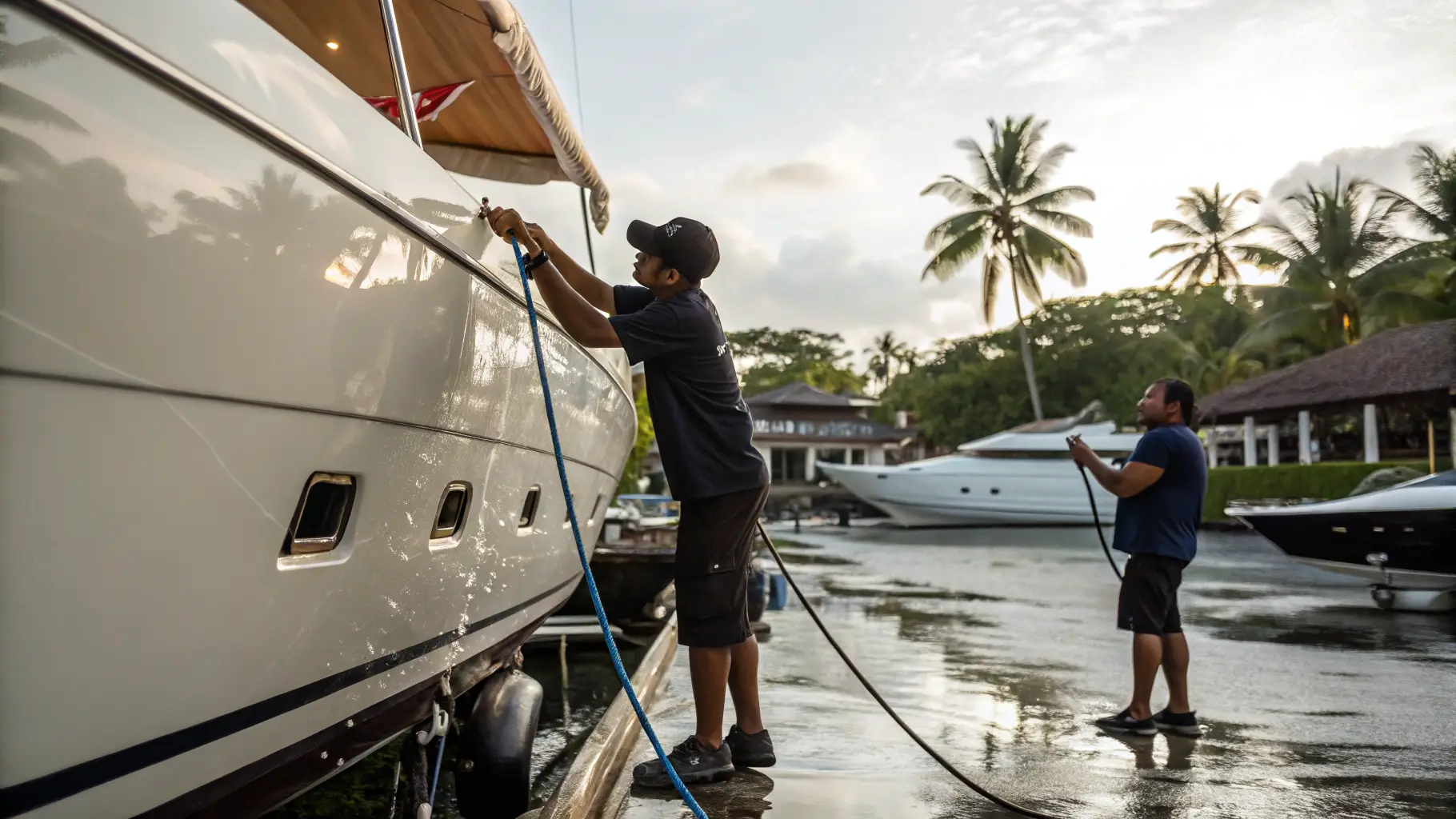
Vessel Caretaking in Bali: Wet-Season Programs for Absent Owners
Leaving a yacht in Bali through the November–March wet season is entirely viable — boats do it every…
6 min read
Owner Desk
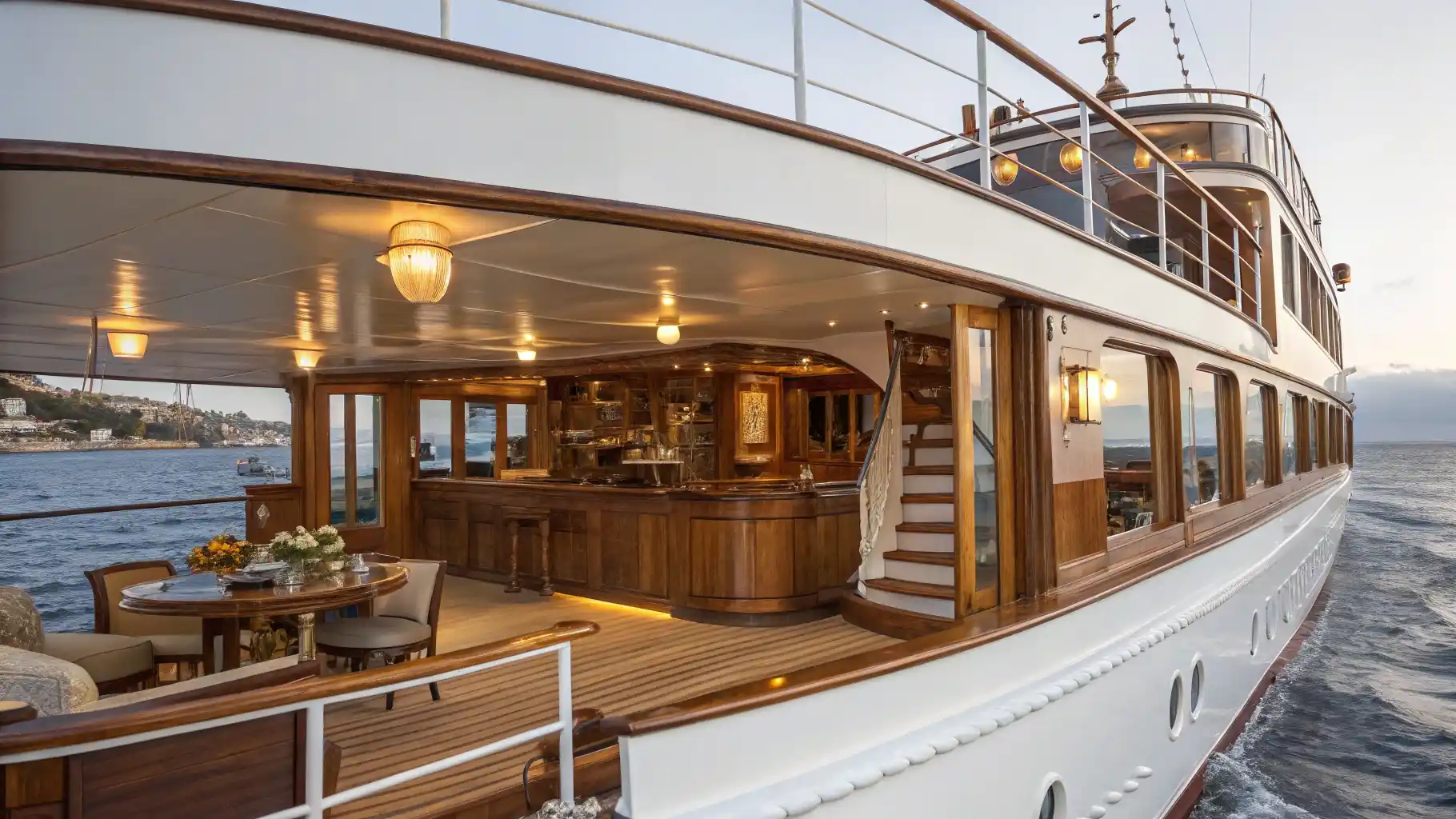
Simpson Marine and the Indonesian Owner: Where a Bali Concierge Fits In
Simpson Marine is one of Asia's largest yacht dealerships — the regional face of shipyards like Beneteau and…
7 min read