
Asia Pacific Superyachts in Bali and Indonesia: Services, Alternatives and How Desks Compare
Bali Yacht Concierge Service Editorial Desk 7 min read
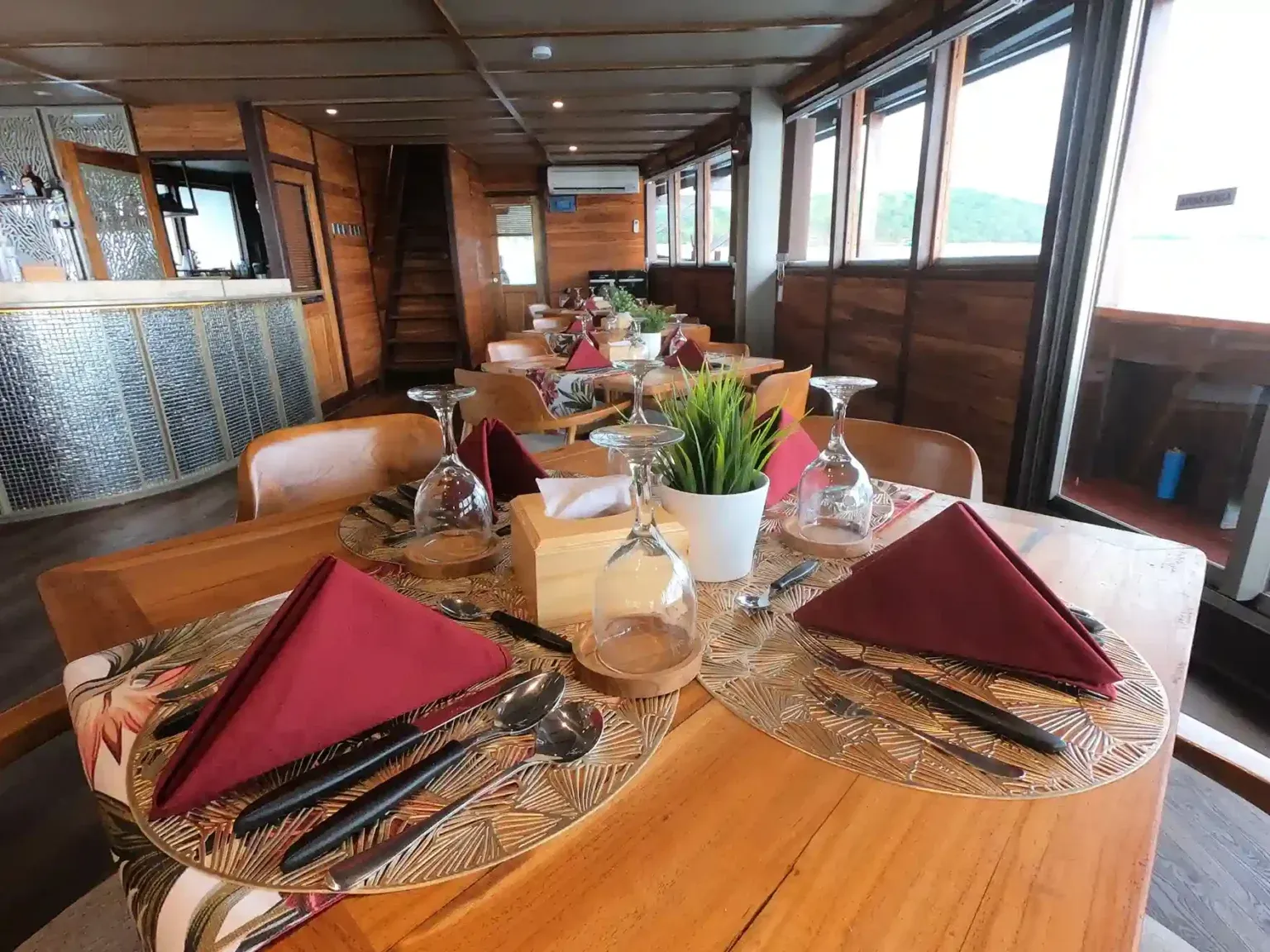
Captains researching Indonesian support meet the name quickly: Asia Pacific Superyachts, the long-established agency network with offices across the region including Bali, has served visiting superyachts here for decades and helped put Indonesia on the superyacht map. It operates in a field that now includes several credible providers — international networks, local agencies and concierge desks like ours. This page describes the landscape fairly: what network agencies provide, where independent desks differ, and how working captains actually choose.
What Agency Networks Do Well
Regional networks earn their standing on consistency and reach: a captain planning Thailand, Indonesia and Fiji in one season can brief one organisation and receive comparable service formats in each country — clearance coordination, berthing, bunkering, provisioning, guest logistics — with regional knowledge accumulated over many years and many hulls. For itineraries spanning multiple countries, that continuity is genuinely valuable: contacts are established, formats are familiar, and the network’s name is known to port officials from Phuket to Papua. Any honest comparison starts by acknowledging that the established players built the trails everyone now walks.
Where Independent Desks Differ
Independent desks compete on depth rather than breadth: one territory, permanent local staffing, and a service perimeter that extends past the port call into everything around it. Our own model adds three layers a visiting captain can weigh. Group operations — the desk sits inside Juara Holding Group, operating in Indonesian marine tourism since 2015, with its own experience operators, crewed vessels and shore teams, so guest programmes and excursions are delivered by group companies rather than subcontracted sight-unseen. Owner-side services — standing programmes for vessels basing here, from wet-season caretaking to document calendars under the owner care programme for based vessels, which is a different business than port calls. And pricing architecture — flat desk fees with third-party costs passed through at documented cost, set out publicly on our rates page, which captains can compare line against line.
The Criteria That Actually Decide
Working captains choose on five questions, and the honest answers vary by vessel and itinerary. Scope: single-country season or multi-country sweep? Networks suit the sweep; territory desks reward the deep single-country season. Response: who answers at 02:00, and is it a duty officer with authority or a message service? Pricing transparency: are official fees, third-party costs and service fees split visibly? References: comparable vessels, recent seasons, contactable captains. And chemistry: a season is a working relationship, and the pre-arrival exchange usually reveals how the working months will feel. Any provider — network or independent — that answers all five plainly is probably safe to appoint.
When We Recommend a Different Desk
Candour builds more trust than salesmanship: for a vessel running a season across four countries and wanting one contract for all of them, a regional network is the structurally sensible choice, and we say so. For multi-leg support inside Indonesia, for vessels basing here between seasons, for owner programmes, and for charters wanting group-operated guest experiences from jet-to-yacht arrival to Komodo excursions, the territory-depth model is where we believe the comparison favours us — and the file of vessels that return each season is the evidence we offer for it.
Making the Comparison Yourself
The practical route: send the same brief — vessel particulars, itinerary, service expectations — to two or three providers and compare the responses on specificity, pricing structure and speed. Generic answers predict generic seasons; specific answers about your draft at a named berth, your park permits against your dates, your fuel quantity against a supplier’s stock predict the season you actually want. Indonesia rewards preparation more than most cruising grounds, and the pre-arrival exchange is the free preview of every desk’s real standard.
What the Brief Should Contain
The comparison method’s quality depends on the brief, so make it a real one. Vessel: name, LOA, beam, draft, GT, flag, ISPS status, crew count. Programme: arrival window, intended route with named stops, guest movements, any charter legs with dates. Services: which of clearance, berth, fuel, provisioning, crew logistics, guest programmes and technical support the vessel wants quoted, and which the management company handles elsewhere. Constraints: draft-sensitive berths, security requirements, dietary provisioning standards, currency and accounting format for settlement. Send it identically to each candidate desk and note three things about what returns: speed without padding, questions that show the desk actually read the particulars — a query about your draft at a named marina is worth more than a brochure — and a quote whose structure you could hand to an auditor. The desk that treats a brief seriously before any money moves is showing you, at no cost, exactly how it will treat the season.
Frequently Asked Questions
What does Asia Pacific Superyachts do in Bali?
It is the Bali presence of a long-established regional agency network serving visiting superyachts: clearance coordination, berthing, bunkering, provisioning and guest logistics, with the multi-country consistency that networks are built for. It has operated in Indonesian waters for decades and remains a credible appointment.
What is the alternative to an agency network in Indonesia?
Independent territory desks: permanently staffed local operations competing on depth — port calls plus owner-side programmes, caretaking, group-operated guest experiences and published pass-through pricing. Networks suit multi-country sweeps; territory desks reward deep single-country seasons. Vessels basing here lean naturally toward the latter.
How should a captain choose a support desk in Bali?
Send the same brief to two or three providers and compare on five points: itinerary scope fit, real 24/7 response with authority, pricing split into official fees, third-party costs and service, references from comparable vessels, and the specificity of the pre-arrival exchange. Specific answers predict good seasons.
Is the desk’s comparison of providers impartial?
It is positive-factual by policy: established networks built the region’s trails and suit multi-country seasons, and we say so plainly. Our case rests on territory depth — group operations since 2015, owner programmes and documented pass-through pricing — and on returning vessels rather than on criticising competitors.
Keep reading
Port Services
Indonesia Cruising Permit Costs in 2027: What Agencies Actually Charge
A foreign yacht's cruising paperwork for Indonesia in 2027 costs far less in official fees than most quotes…
7 min read
Port Services
Burgess in Asia and the Bali Shore Desk: How Central Agents Work With Local Support
When a managed superyacht plans an Indonesian season, two layers of representation come into play. The central agent…
6 min read

Port Services
Clearing In via East Bali: Amed Formalities for Arriving Yachts
Every season a handful of yachts approach Bali from the east — out of Komodo, Lombok or the…
6 min read