
KLM Phinisi Explained: What the Registry Prefix Means When You Charter
Bali Yacht Concierge Service Editorial Desk 7 min read
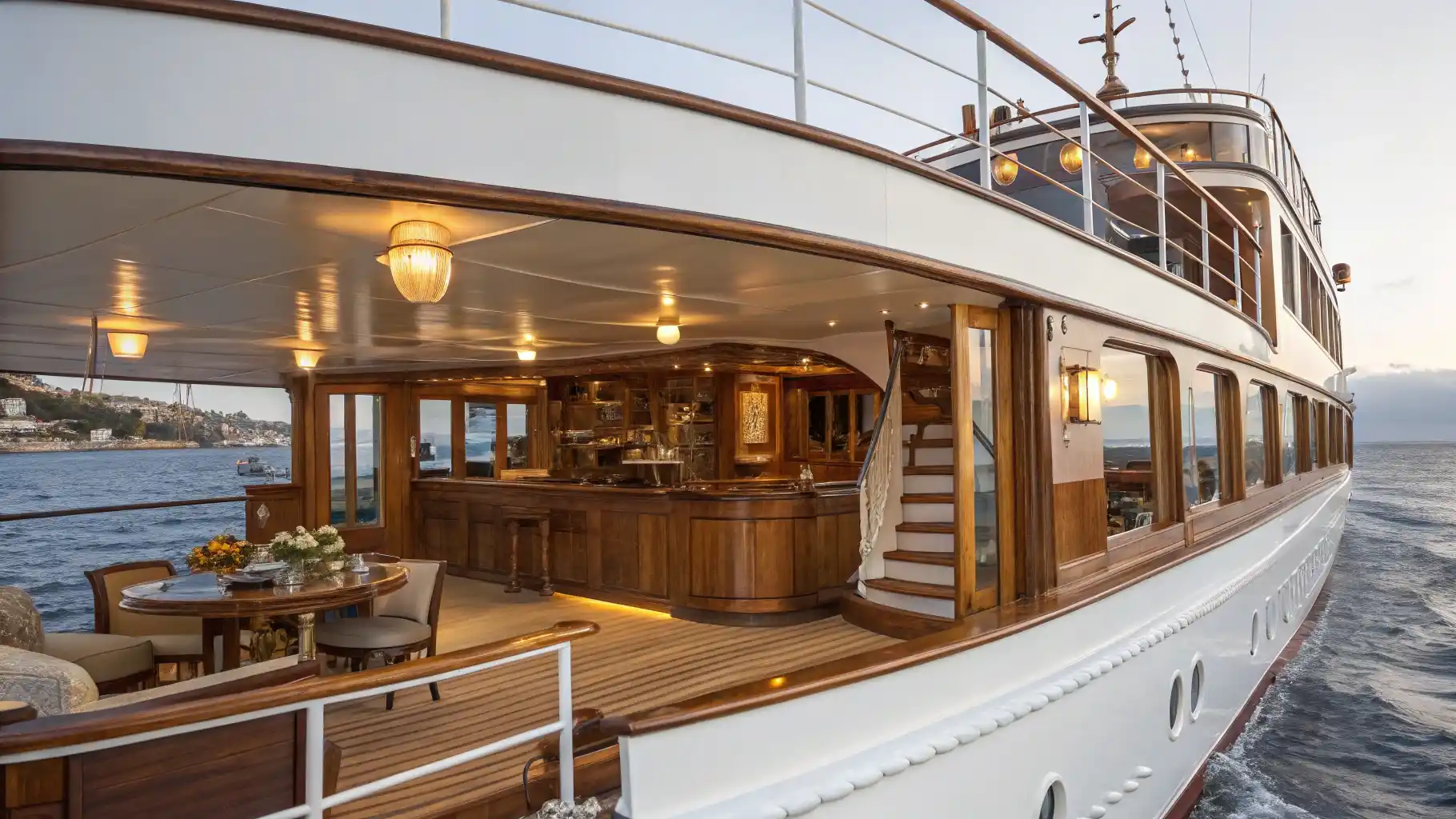
Read any Indonesian charter listing long enough and the prefix appears: KLM Arfisyana, KLM Prana, KLM this and that. KLM stands for Kapal Layar Motor — literally ‘motor sailing vessel’ — and it is a registry classification, not a brand, a builder or a quality mark. Understanding what the prefix does and does not tell you is genuinely useful when comparing phinisi charters, because it quietly explains how these boats are built, crewed and operated.
What the Prefix Actually Denotes
Indonesian vessel registration prefixes describe propulsion and function: KLM marks a vessel built to sail that also carries an engine — which describes virtually every modern phinisi. Sister prefixes appear around the harbours: KM (Kapal Motor) for pure motor vessels, and older sailing registrations for the engineless originals that are now museum-rare. On a phinisi listing, KLM tells you the vessel is Indonesian-flagged and registered in the motor-sailer class. It tells you nothing about age, safety standard, cabin count or whether the sails ever leave their lashings — those are questions for the vetting process, not the prefix.
The Phinisi Behind the Prefix
The boats themselves descend from the trading schooners of the Bugis and Konjo boatbuilders of South Sulawesi, whose art of wooden shipbuilding UNESCO recognised on its intangible cultural heritage list in 2017. Modern charter phinisi are built the traditional way — ironwood and teak on beaches at Bira and Bulukumba, shaped by master builders working without drawings — then fitted to luxury standard: en-suite cabins, air conditioning, dive compressors, professional galleys. The result is a category with real range: from honest budget liveaboards to some of Asia’s most photographed charter yachts. The prefix covers them all equally, which is exactly why it cannot carry your quality judgement; a sense of the type’s breadth is available in the Bali phinisi gallery and specifications reference.
What KLM Status Means for Your Charter
Practical consequences follow the registration. Indonesian flag means Indonesian crew certification rules and domestic operating licences — a properly run KLM carries certificated crew and current vessel papers, and a well-organised charter will show them without being pressed; the certification background is in our STCW on Indonesian-flag yachts explainer. Motor-sailer class also describes the honest operating pattern: phinisi itineraries run on engine for schedule reliability, setting sails when wind and route allow — charterers expecting a pure sailing passage should have that conversation explicitly. And the wooden build sets the maintenance rhythm: annual haul-outs, caulking cycles, the constant care that separates well-kept hulls from tired ones.
Vetting Past the Prefix
Since KLM answers no quality questions, the vetting has to: When was the last haul-out and survey? What safety equipment is aboard and in date — rafts, EPIRB, fire systems? What is the crew-to-guest ratio and who holds which certificates? Which insurance covers guests, and to what limit? How does the galley handle provisioning for remote legs? Our desk walks vessels before recommending them and keeps the answers on file — the same curation discipline described in how we curate the right yacht. A beautiful foredeck photograph is not a survey report.
Reading a Listing Like a Professional
The KLM prefix on a listing is your cue to ask registry-adjacent questions, not to skip them: confirm the vessel trades with current domestic licences for the areas the itinerary claims — Komodo boats need Komodo compliance, and park-side realities are covered in our Komodo and Raja Ampat park fee guide — and match the operating pattern to your expectation of sail versus engine time. Then judge the boat on the things the prefix never claimed to tell you: build quality, crew, kitchen, maintenance and the operator’s honesty when you ask hard questions. That is where good charters are actually found.
From Beach to Charter: How a Phinisi Comes to Be
The build story explains much of what charterers experience aboard. A phinisi begins as ironwood keel and ribs on open sand at Bira or Bulukumba, assembled by teams whose measurements live in memory and rope rather than drawings — a construction method passed father to son for generations. Launch is the community event photographs love: rollers, chants, the hull walked into the sea by dozens of hands. Then the second build begins, often in Bali or Batam: engines, tankage, electrics, air conditioning, interiors to whatever standard the owner’s budget dreams — which is why two vessels sharing the same silhouette can sit oceans apart in comfort and price. The charter fleet’s best examples marry the traditional hull with professional systems and crew; the weakest marry a romantic profile with improvised everything. The prefix KLM covers the entire spectrum without comment. The vetting questions in the section above are how a charterer finds out which end of the spectrum is answering the enquiry.
Frequently Asked Questions
What does KLM mean on a phinisi charter?
KLM is Kapal Layar Motor — ‘motor sailing vessel’ — the Indonesian registry class for vessels built to sail that also carry engines, which covers virtually every modern phinisi. It confirms Indonesian flag and motor-sailer registration; it says nothing about age, quality or safety standard.
Do KLM phinisi actually sail?
They can, and the good ones do when wind and route allow — but the honest operating pattern is engine for schedule reliability with sails set opportunistically. Charterers wanting genuine sailing time should raise it explicitly when booking rather than assuming the masts guarantee it.
Is a KLM-registered phinisi safe to charter?
Registration alone does not answer that — vetting does: last haul-out and survey date, in-date safety equipment including rafts and EPIRB, crew certifications and ratio, guest insurance limits and maintenance history. Well-run operators show these papers readily; hesitation is itself an answer.
Why are phinisi built in South Sulawesi special?
They continue the Bugis and Konjo boatbuilding tradition — ironwood hulls shaped by master builders at Bira and Bulukumba without drawings — recognised by UNESCO as intangible cultural heritage in 2017. Modern charter phinisi pair that heritage build with luxury interiors and professional systems.
Keep reading
Guest Experiences
A Dive-Led Yacht Itinerary Around Bali: Tulamben, Penida, Menjangan
Bali rewards divers who arrive by yacht more than almost any guest category. The island's three signature dive…
6 min read

Guest Experiences
From Enquiry to Embarkation: How a Bali Desk Curates the Right Yacht
Luxury yacht charter companies all promise the perfect boat; a curation desk earns its fee by refusing to…
6 min read

Guest Experiences
A Gili Islands Dive Itinerary for Yachts: Three Islands, Five Days
The Gilis — Trawangan, Meno and Air, three sand islands off Lombok's north-west corner — deliver the easiest…
7 min read