
From Enquiry to Embarkation: How a Bali Desk Curates the Right Yacht
Bali Yacht Concierge Service Editorial Desk 6 min read
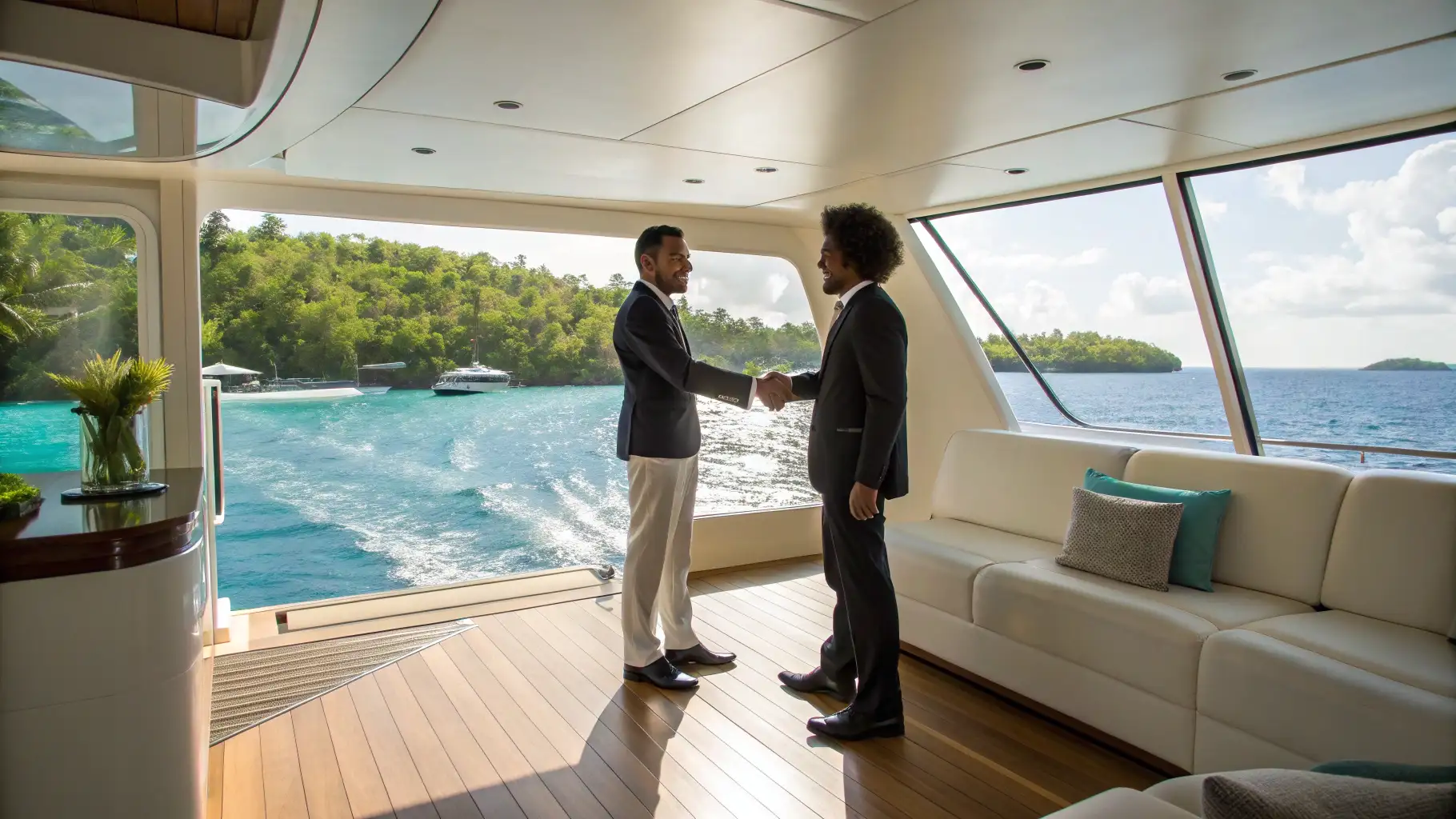
Luxury yacht charter companies all promise the perfect boat; a curation desk earns its fee by refusing to shortcut the question. The right vessel for a honeymoon couple in the dry season is the wrong one for three families at Nyepi week, and the difference only shows up if someone reads the brief properly before showing pictures. This is how our desk runs a charter enquiry from first message to gangway.
Reading the Brief Before Showing Boats
The first exchange never mentions vessels. It establishes party size and composition, dates against season, tolerance for passage time versus anchorage time, diving and watersports appetite, dietary and accessibility needs, and — asked plainly — the budget band in USD. Two more questions do disproportionate work: what did you love and hate about your last boat holiday, and is this trip about the destinations or about the vessel itself? Phinisi romantics and motor-yacht pragmatists are different guests; sewa kapal mewah di Bali enquiries in Indonesian get the same structured intake in their own language.
Shortlisting From Vetted Fleets
Bali and the eastern routes are served by a real but uneven fleet: standards range from exceptional to optimistic. The desk maintains its own vetting file — vessels we have walked, crews we have watched work, galleys we have eaten from — and draws the shortlist from that pool, including the vetted phinisi charter fleet for Komodo itineraries operated within our group for the Labuan Bajo routes. A shortlist is three boats, not fifteen: one that fits the brief exactly, one a step up in space or crew ratio, one alternative that trades vessel polish for a better route fit. Each comes with honest notes, not brochure adjectives.
Route Fit: the Question Most Enquiries Skip
The vessel and the route are one decision. A displacement phinisi that shines on a seven-day Komodo loop is a poor tool for a two-day Bali coastal hop; a fast motor yacht that makes Nusa Penida brunch trivial has range and motion habits that punish a Raja Ampat ambition. Season decides the rest — crossing windows, park permit lead times, anchorage comfort — and the desk builds the day-by-day around it on the custom itinerary desk. Guests who arrive with a fixed boat and a fixed route usually get to keep one of the two.
Contracts, Deposits and What Protects the Guest
Charter paper in Indonesia ranges from international-standard agreements to one-page scans. The desk’s floor: a written contract naming the vessel and dates, itemised pricing showing what is aboard and what lands as extras — fuel basis, park fees, crew gratuity custom — deposit and balance schedule through traceable transfer, cancellation terms in plain language, and confirmation of the vessel’s insurance and licensing. Where owners use MYBA-style terms we walk guests through the clauses that matter; the detail lives in our guide to MYBA charter agreements in Indonesian waters.
The Fortnight Before: Pre-Staging
Confirmed charters move to pre-staging: preference sheets translated into a provisioning list the chef actually executes, cabin allocation against the party’s real hierarchy, dive certifications collected and gear sized, spa, celebration or event requests briefed to crew, and arrival logistics locked — flight numbers, fast-track, drivers, tender windows. On embarkation day the desk’s coordinator is at the marina before the guests, walks the vessel against the brief one final time, and hands the party to the captain with everything already true. That last hour is the product: the enquiry became exactly the boat, route and welcome that were promised.
Two Briefs, Two Different Boats
A pair of real-shaped examples shows the method’s point. Brief one: a couple, late season, seven nights, diving optional, budget mid-range, priority privacy. The shortlist leads with a smaller crewed phinisi whose crew-to-guest ratio flatters a party of two, routes her through quiet anchorages rather than headline stops, and prices inside the band with margin for a chef upgrade. Brief two: three families, twelve guests, school holidays, snorkelling children, one grandparent with limited mobility. The same fleet produces a different answer entirely — a wider, more stable motor vessel with a shaded main deck, cabin layout on one level for the grandparent, crew accustomed to children, and a route with short hops and calm bays. Neither boat is ‘better’; each is right for exactly one of the briefs. That is the whole argument for curation: the fleet does not change, but the reading of it should.
Frequently Asked Questions
How does a charter curation desk choose the right yacht?
By reading the brief before showing boats: party composition, dates against season, passage tolerance, watersports appetite and budget band, then shortlisting three vetted vessels — an exact fit, a step up, and a route-first alternative — each with honest notes from desk visits rather than brochure copy.
What should a Bali yacht charter contract include?
A named vessel and dates, itemised pricing separating charter fee from fuel, park fees and extras, a deposit and balance schedule by traceable transfer, plain-language cancellation terms, and evidence of insurance and licensing. International MYBA-style terms are common on larger yachts and worth reading properly.
How far ahead should I book a yacht charter from Bali?
For dry-season and holiday weeks on the better vessels, three to six months protects choice; Komodo and Raja Ampat itineraries add park permit lead times. Late enquiries can still land well — but from a thinner shortlist, which is exactly what curation exists to widen.
What happens between booking and embarkation day?
Pre-staging: preference sheets become the chef’s provisioning list, cabins are allocated, dive credentials and gear sizes collected, celebrations briefed to crew, and arrival logistics locked. On the day, the desk walks the vessel against the brief before guests step aboard.
Keep reading
Guest Experiences
A Dive-Led Yacht Itinerary Around Bali: Tulamben, Penida, Menjangan
Bali rewards divers who arrive by yacht more than almost any guest category. The island's three signature dive…
6 min read

Guest Experiences
A Gili Islands Dive Itinerary for Yachts: Three Islands, Five Days
The Gilis — Trawangan, Meno and Air, three sand islands off Lombok's north-west corner — deliver the easiest…
7 min read

Guest Experiences
A Wedding on the Water: Planning a Yacht Wedding in Bali
A yacht wedding in Bali trades the villa lawn for a horizon: vows on a foredeck at golden…
7 min read