
Harbour Fees and Yacht Handling Costs in Bali: How Quotes Are Actually Built
Bali Yacht Concierge Service Editorial Desk 5 min read
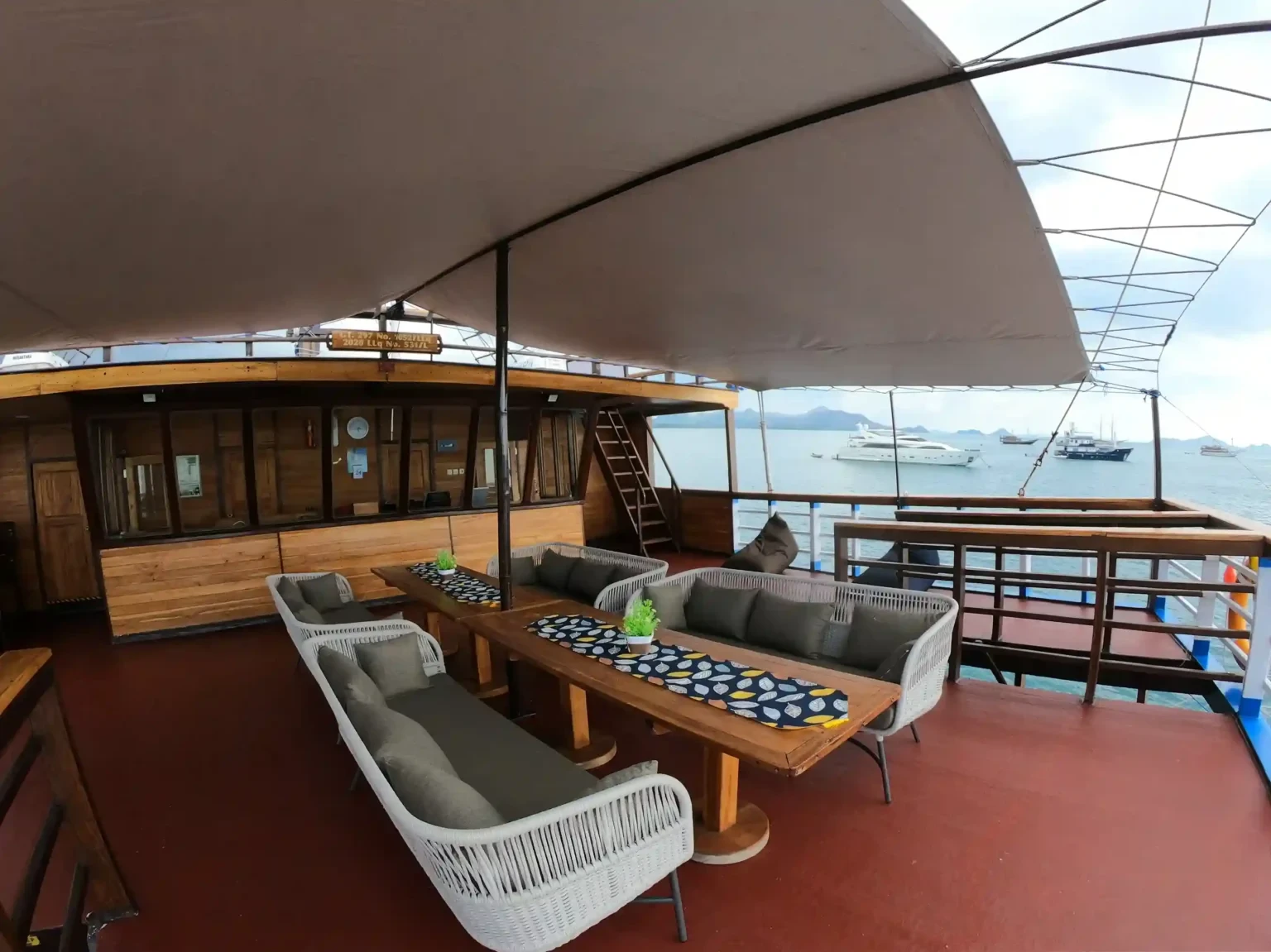
There is no official price list for harbour fees and yacht handling costs in Bali — any agent handing you one is simplifying to the point of fiction. The total for a port call is assembled per vessel, per visit: port dues scale with gross tonnage, berth charges scale with length and length of stay, and labour is priced against what the boat needs on the day. That is why the industry works on itemized quotes rather than rate cards.
As a working frame, a foreign-flag sailing yacht under 20 metres calling at Benoa typically sees combined agency, clearance, and short-stay berth costs land in the high hundreds of US dollars. A 40-metre-plus motor yacht staging for Komodo, with pilotage, crews, bunkering, and a crew change folded in, can run to several thousand for the same days.
Why fixed price lists don’t exist
Three structural reasons explain this. First, the statutory portion is formula-based, not flat: port dues and harbourmaster charges, payable to Pelindo and KSOP, are calculated from gross tonnage, length, and days, and revised periodically. Second, the service portion is market-priced: crews, watchmen, and tug availability move with season, so the July-September Komodo peak prices differently than a quiet week in February. Third, no two calls share a scope, so a fixed list would either overcharge a simple call or under-scope a complex one.
The anatomy of an itemized handling quote
A proper quote for a Bali port call runs eight to fifteen lines, grouped into a handful of families:
| Line item | What it covers | How it is priced |
|---|---|---|
| Agency / handling fee | Agent’s service and representation | Flat fee, scaled to vessel |
| Port dues & harbourmaster | Statutory charges to Pelindo and KSOP | Formula on tonnage, LOA, days |
| Berth or anchorage | Alongside berth or supervised anchorage | Per metre of LOA per day |
| Pilotage & tug | Compulsory for larger vessels | Per movement, by tonnage |
| CIQP clearance | Customs, Immigration, Quarantine, Port | Fixed cost plus agent attendance |
| Line handling & crew | Mooring gangs, tender, watchmen | Per movement or per day |
| Waste, water, utilities | Garbage, water, power | Metered or per collection |
Agency fees and clearance formalities
The agency fee pays for judgement, not a commodity: your licence to be represented, the paperwork, and the person on the wharf when things go sideways. Indonesia scrapped the old CAIT cruising permit in 2015, but arrival and departure clearance through Customs, Immigration, Quarantine, and the Port authority still applies at every port of entry, handled by a licensed local agent. Our guide to yacht clearance, CAIT history, and the CIQP process in Indonesia covers the framework in detail, since the cheapest line sometimes omits half the work.
Berth, mooring, and port charges
Benoa is Bali’s principal harbour for visiting yachts and its only realistic deep-water option. Marina berths are limited, so larger yachts typically go alongside a commercial wharf or lie at supervised anchorage. Daily berth rates are quoted per metre of LOA at Southeast Asian levels rather than Mediterranean ones: for a 20 to 30 metre yacht, the berth line alone commonly runs to a low-hundreds-of-dollars figure per day, before port dues. Availability, not price, is the constraint in high season. Our Benoa marina berth booking service tracks what can currently be secured.
Labour on the day
The least glamorous lines often decide whether a call goes smoothly: mooring gangs, a boat crew, watchmen for nights the crew is ashore, and a coordinator for fuel, provisioning, and waste. These are priced per movement or per day and genuinely variable: a calm arrival needs two people, a stern-to mooring in a swell needs six. An honest quote states the assumed headcount up front.
The variables that actually move the total
Five inputs drive most of the spread in what we build or audit:
- Size: gross tonnage and LOA feed nearly every statutory formula and determine whether pilotage and tug standby apply.
- Duration: berth, anchorage, and watchmen lines are per-day; a week costs more than a weekend.
- Season: the July-September Komodo peak tightens berth availability and labour pricing.
- Attached services: bunkering, provisioning, crew changes, and spares importation each add lines.
- Onward itinerary: continuing east needs clearance planning that a Bali-only quote won’t show.
How to read and compare quotes
Four checks separate a well-built quote from a padded one. Ask that statutory fees be shown as pass-through items, supported by receipts at settlement, rather than folded into a single “government charges” lump, where margin hides. Check the currency and validity window, since rupiah-denominated fees move against the dollar. Read exclusions as carefully as inclusions: fuel, provisioning, and after-hours attendance are the usual reappearing items. Treat the cheapest headline number with suspicion: it almost always means the narrowest scope, not the sharpest pricing.
Getting a real number for your vessel
Bali Yacht Concierge exists for exactly this: turning fragmented port, agency, and labour charges into one quote you can read. We do not own the port, the marina, or the tugs (nobody quoting you does), but we obtain and negotiate itemized handling quotes through licensed agents in Benoa, and hand you one clean document instead of five conflicting ones. Our fee structure is explained openly on our pricing page. To get a quote built for your vessel, send your LOA, gross tonnage, flag, dates, and scope to WhatsApp +62 811-2859-0000 or sales@balipremiumtrip.com.
Keep reading
Port Services
Indonesia Cruising Permit Costs in 2027: What Agencies Actually Charge
A foreign yacht's cruising paperwork for Indonesia in 2027 costs far less in official fees than most quotes…
7 min read
Port Services
Burgess in Asia and the Bali Shore Desk: How Central Agents Work With Local Support
When a managed superyacht plans an Indonesian season, two layers of representation come into play. The central agent…
6 min read

Port Services
Clearing In via East Bali: Amed Formalities for Arriving Yachts
Every season a handful of yachts approach Bali from the east — out of Komodo, Lombok or the…
6 min read