
Batam for Yachts: Anchorages, Nongsa Berths and Western-Gateway Bunkering
Bali Yacht Concierge Service Editorial Desk 7 min read
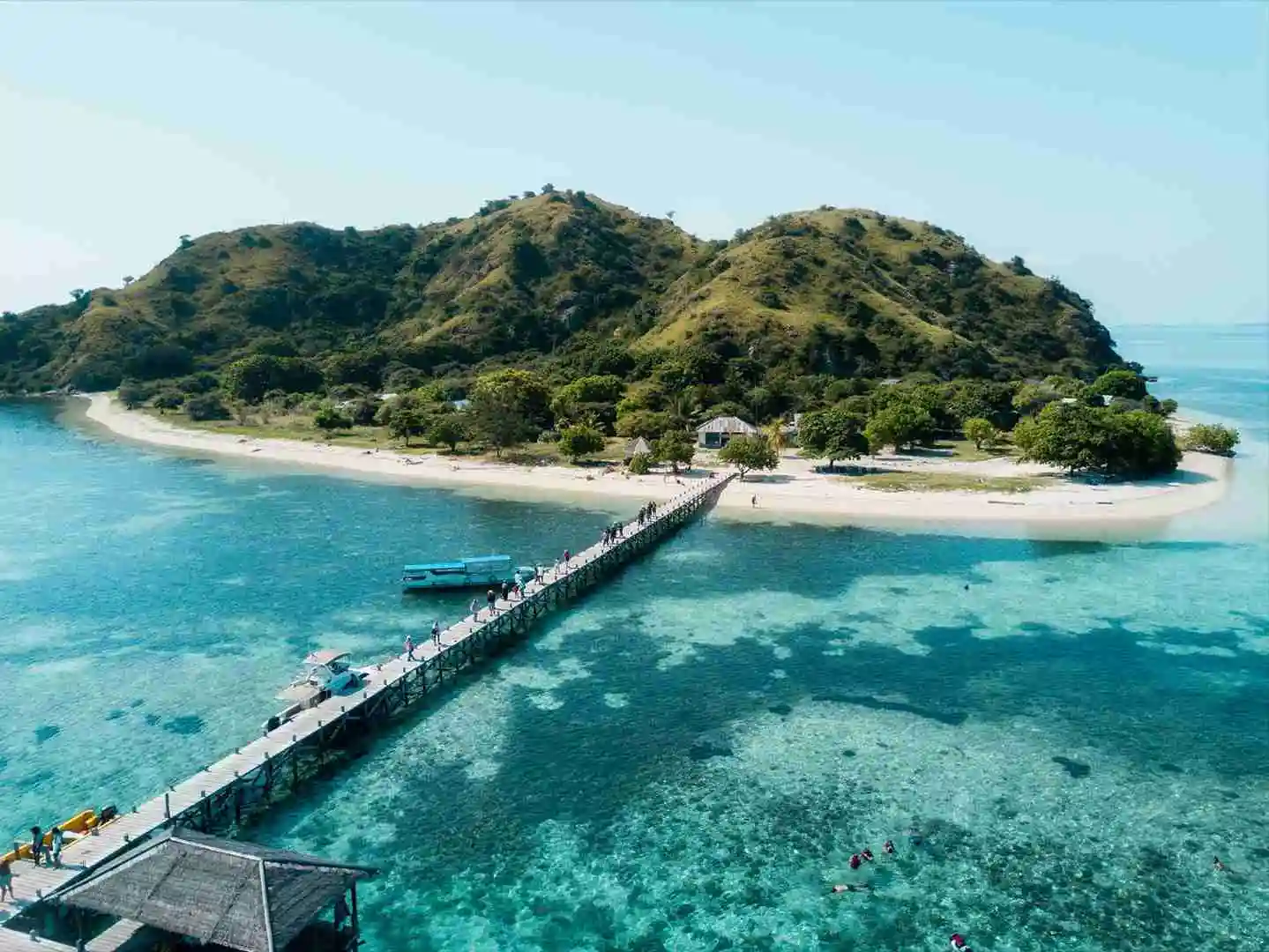
Batam is where many yachts meet Indonesia for the first time: a clearance-capable island twenty kilometres off Singapore, with a genuine marina at Nongsa Point, workable anchorages and the best-connected spares and fuel chain on the archipelago’s western edge. Used well, it turns the Singapore Strait crossing into a soft landing rather than a plunge.
This guide covers the water side — where to lie, what holds, what to watch — and the logistics that make Batam the natural staging stop before the long haul east to Bali.
Anchorages: Where the Holding and the Shelter Are
The north coast around Nongsa gives the practical anchoring: sand and mud patches in 8–15 m outside the marina approaches, sheltered in the south-east monsoon and workable in most north-east season conditions if you tuck behind the headlands. Holding is honest mud in most spots — dig the anchor in properly, because tidal streams run hard through the strait and reverse twice a day. Further west, the Riau channels offer quiet overnight stops among the islands, but note the traffic: barge tows, fast ferries and fishing platforms mean a proper anchor light and a conservative swing circle are not optional. Avoid anchoring anywhere near the shipping separation schemes; patrols do move yachts on.
Nongsa Point: the Berth Option
Nongsa Point Marina remains the region’s yacht-first facility: finger pontoons, power and water, fuel arrangement, immigration convenience and a resort behind it. It suits crews who want to clear formalities and change crew without tender runs. Berths for larger yachts are limited and the entrance carries depth considerations at low water springs, so confirm draft against the day’s tide before committing an ETA. Rates are moderate by regional standards; our Indonesia marina rates comparison puts them alongside Bali and Jakarta numbers so you can plan the whole leg.
Bunkering at the Western Gateway
Batam’s fuel scene is industrial — the island bunkers tugs, ferries and coasters all day — which is exactly why quality control matters for a yacht. Diesel arrives by truck to the marina or by barge to an anchored vessel. Insist on the same discipline we apply everywhere: sight and sample before transfer, water-detection paste on the sounding, documented quantity by calibrated meter or sounding tables, and a retained sample bottle from every delivery. Arranged this way, Batam fills tanks at sensible cost before the fuel-scarce middle of the passage east. The full testing protocol lives on our fuel bunkering and technical support desk page.
Spares, Provisions and Crew Moves
Proximity to Singapore is Batam’s quiet superpower. Marine spares held in Singapore stock can cross by scheduled ferry or courier within a day or two, often faster than importing directly into Bali. Supermarket provisioning is solid for dry and frozen stores; fresh produce is decent though less varied than Bali’s. Crew changes work through the international ferry terminals and Hang Nadim airport. For yachts running our programme, the desk pre-stages the Batam file — berth or anchorage, fuel slot, spares consolidation — so the stop costs two days, not five.
The Batam–Bali Leg
Eastbound, plan roughly 950 nautical miles to Bali with honest refuelling thinking: options between Batam and Bali exist but thin out, and quality is uneven. Most motor yachts stage via Belitung or the Karimata Strait anchorages and arrive Benoa with reserves intact. Weather windows matter most in the north-west monsoon, when the Java Sea builds a short, wet chop. Coordinated from Bali, the desk watches the window and has the arrival file — clearance updates, berth, fuel — already open when you sail. Our note on small-harbour bunkering at the Gilis and Medana Bay covers the topping-up logic further east.
Timing the Strait: Currents and Traffic
The water between Singapore and Batam behaves like a river with a schedule. Tidal streams through the Singapore Strait and its approaches run to several knots at springs, reversing twice daily, and a yacht that crosses against them buys hours of extra passage for no reason. The crossing itself is short but dense: the traffic separation scheme carries some of the world’s heaviest shipping, and the rule for small craft is unglamorous — cross on a heading near right angles to the lanes, keep a visual and AIS watch both ways, and treat the big ships’ speed with respect, because a laden container vessel closes distance far faster than instinct suggests. Night crossings are routine for commercial traffic and harder on yacht watchkeepers; dawn departures from Nongsa put the sun behind you and the day ahead. Plan the tide, cross clean, and the gateway stop starts calm instead of adrenal.
Frequently Asked Questions
Where do yachts anchor at Batam?
The practical anchorages sit off the north coast around Nongsa: mud and sand in 8–15 m with fair shelter in both monsoons if you work the headlands. Set well for the strong tidal streams, show a proper anchor light, and stay clear of the shipping separation lanes.
Is Nongsa Point Marina suitable for larger yachts?
Yes within limits: finger berths, power, water and formalities convenience make it the region’s yacht-first stop, but big-boat berths are few and the approach has depth considerations at low water springs. Confirm draft against tide and book ahead rather than arriving on spec.
Can I bunker a yacht in Batam safely?
Yes — Batam bunkers commercial traffic daily, so supply is deep; the discipline is quality control. Sample before transfer, run water-detection on soundings, meter the quantity and retain a sealed sample from every delivery. Arranged that way it is a sensible place to fill before heading east.
Why stop at Batam before cruising to Bali?
It is the western gateway: clearance capability, a real marina, Singapore-speed spares, fair fuel and easy crew changes. Yachts that stage properly at Batam start the 950-mile leg to Bali with full tanks, complete files and no unresolved paperwork.
Keep reading

Cruising Guides
Anchoring at Amed: East Bali’s Quiet Roadstead for Visiting Yachts
Amed is the anchorage Bali forgot to commercialise: a string of black-sand coves under Mount Agung on the…
7 min read
Cruising Guides
Sanur Roadstead: Anchoring Off Bali’s East-Coast Sandbar
Sanur is Bali's understated roadstead: a long east-facing beach behind a fringing reef, twenty minutes from the airport,…
6 min read
Cruising Guides
Fueling at the Gilis and Medana Bay: Small-Harbour Bunkering Notes
East of Bali the fuel map thins abruptly: no truck-to-quay bunkering, no barges on call, no calibrated meters.…
6 min read