
If a Guest Falls Ill Between Komodo and Raja Ampat: Medical Evacuation Planning for Yachts
Bali Yacht Concierge Service Editorial Desk 5 min read
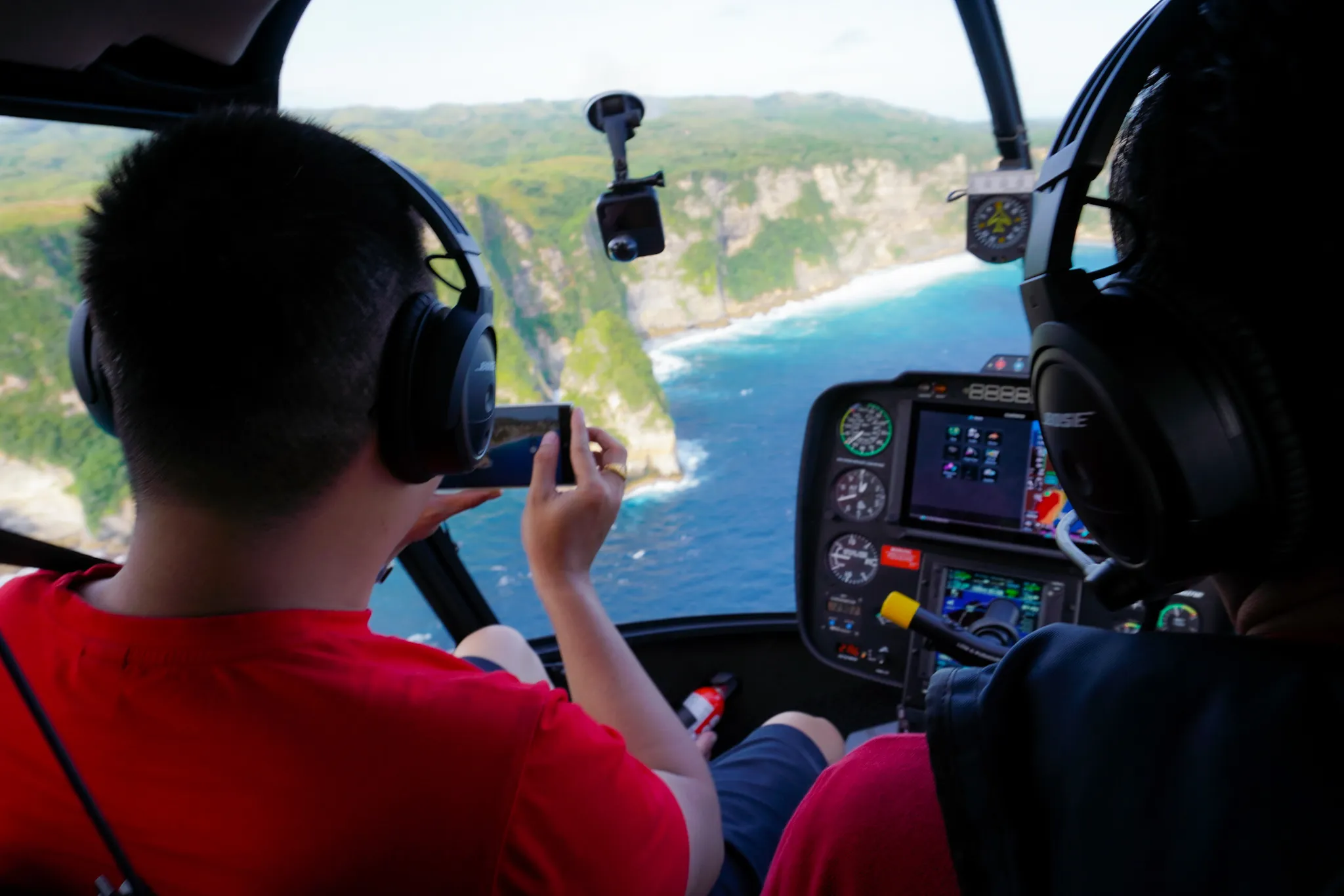
If a guest falls ill mid-passage between Komodo and Raja Ampat, the plan runs three stages: a telemedicine doctor on the satellite link decides whether the crew can stabilise the guest on board or the yacht must divert; the yacht heads for the nearest harbour beside a runway, Labuan Bajo, Kalabahi, Ambon, or Sorong; and an air ambulance or medical escort moves the guest to a referral hospital in Bali or Jakarta, then Singapore if needed.
Across the Banda Sea, time to hospital depends on distance to a runway, not a clinic. No helicopter medevac network covers this crossing, and the islands between Flores and West Papua run community health posts rather than surgical hospitals. A yacht that fixes its divert points, keeps telemedicine on call, and carries a matched kit can turn a two-day scramble into a controlled evacuation of twelve to thirty-six hours. Our desk prepares that plan through the offshore medical support programme.
Why this crossing demands its own plan
The direct line from Labuan Bajo to Sorong runs roughly 750 nautical miles; real itineraries run longer, routing through Alor and Banda Neira over one to three weeks. At eight to ten knots, mid-passage legs put you 24 to 48 hours from the nearest port, and mobile coverage dies near most coastlines, so every medical call rides on satellite equipment. Evacuation means reaching an airstrip; puskesmas along the way dress wounds and start an IV line, but cannot manage a stroke or cardiac event.
Stage one: telemedicine before you change course
Call a doctor before you touch the throttle. A remote consult settles whether the guest needs a hospital and how fast: chest pain, stroke signs, severe bleeding, and altered consciousness push toward diversion, while food poisoning, moderate fevers, splintable fractures, and most infections resolve on board under protocol. That call depends on redundant satellite links (Starlink, licensed in Indonesia since 2024, with an Iridium backup), a kit matched to the doctor’s list, and crew first-aid training. Divers should keep the Divers Alert Network (DAN) hotline on the same card.
The facility map between Flores and West Papua
Verify flight schedules for your actual dates, since frequencies on these routes shift seasonally.
| Divert port | Airstrip / flights | Medical reality |
|---|---|---|
| Labuan Bajo (Komodo) | Komodo Airport, daily jets to Bali/Jakarta | Siloam Hospitals stabilises; complex cases fly to Bali |
| Kalabahi (Alor) | Mali Airport, regional flights to Kupang | District hospital, basic emergency care |
| Banda Neira (central Banda Sea) | Small airstrip, limited service | Community health centre only; stabilisation stop, not a solution |
| Ambon (northern Banda Sea) | Pattimura Airport, daily jets to Jakarta/Makassar | Referral hospitals, strongest care mid-corridor |
| Sorong (Raja Ampat approach) | Domine Eduard Osok Airport, daily jets via Makassar | Regional hospitals for stabilisation/surgery; gateway for Raja Ampat |
| Waisai (inside Raja Ampat) | No jet airstrip; ~2 hrs by ferry to Sorong | District hospital, limited capability |
Stage three: routing the evacuation
While the yacht runs for its divert port, someone ashore works the phones: an ambulance, hospital admission, an air ambulance quote, and immigration formalities toward Singapore. That is why every plan names a shore contact before the anchor drops. A dedicated air ambulance flies on the patient’s schedule; a scheduled-flight escort costs far less and suits stable patients, since Labuan Bajo, Ambon, and Sorong offer daily jets. BASARNAS answers on 115, though an ill guest stays with the telemedicine-divert-fly sequence, not a rescue call.
Dive injuries change the math
Decompression illness adds a constraint: recompression chambers. Indonesia operates few, among them Sanglah hospital in Denpasar and a chamber in Makassar; one has also run in Waisai, so confirm its status before the trip, never mid-emergency. Run high-flow oxygen early and for the whole transport, the one field treatment with proven effect on decompression illness, and keep the DAN hotline on your divert card.
What it costs, and what to arrange before departure
Ranges below reflect current market quotes for budgeting, not a fixed price list:
- Telemedicine subscription: US$1,500 to 5,000 per year
- Offshore medical kit: US$2,000 to 10,000
- Scheduled-flight medical escort: US$3,000 to 8,000
- Domestic air ambulance: US$15,000 to 40,000
- International air ambulance to Singapore: US$35,000 to 90,000
These numbers explain why insurers covering remote cruising insist on evacuation benefits of US$250,000 or more; a “medically necessary evacuation” clause versus an “evacuation to home country” clause decides who pays. Our pre-departure checklist covers a divert table, a satellite test, guest medical questionnaires, a kit audit, insurance verification, and a named shore contact. For the shore leg, we work with the group’s emergency evacuation and travel logistics desk at Bali Premium Trip, which handles hospital admission and onward flights.
Arrange the plan before you cast off
A word on what we are: Bali Yacht Concierge is a concierge and booking desk under Juara Holding Group, working from Bali since 2015. We fly no aircraft and run no hospitals; we arrange telemedicine cover, kits, divert planning, and evacuation logistics through the group’s vetted operators and providers.
If your itinerary crosses the Banda Sea this season, send us the route and guest list for a divert table and a medical cover quote. Start with the offshore medical support programme, or reach the emergency medical desk for a situation already under way. Message +62 811-2859-0000 on WhatsApp or write to sales@balipremiumtrip.com.
Keep reading
Cruising Guides
Batam for Yachts: Anchorages, Nongsa Berths and Western-Gateway Bunkering
Batam is where many yachts meet Indonesia for the first time: a clearance-capable island twenty kilometres off Singapore,…
7 min read

Cruising Guides
Anchoring at Amed: East Bali’s Quiet Roadstead for Visiting Yachts
Amed is the anchorage Bali forgot to commercialise: a string of black-sand coves under Mount Agung on the…
7 min read
Cruising Guides
Sanur Roadstead: Anchoring Off Bali’s East-Coast Sandbar
Sanur is Bali's understated roadstead: a long east-facing beach behind a fringing reef, twenty minutes from the airport,…
6 min read