
Komodo Anchorages for Yachts: Where to Drop the Hook Around the Park
Bali Yacht Concierge Service Editorial Desk 5 min read
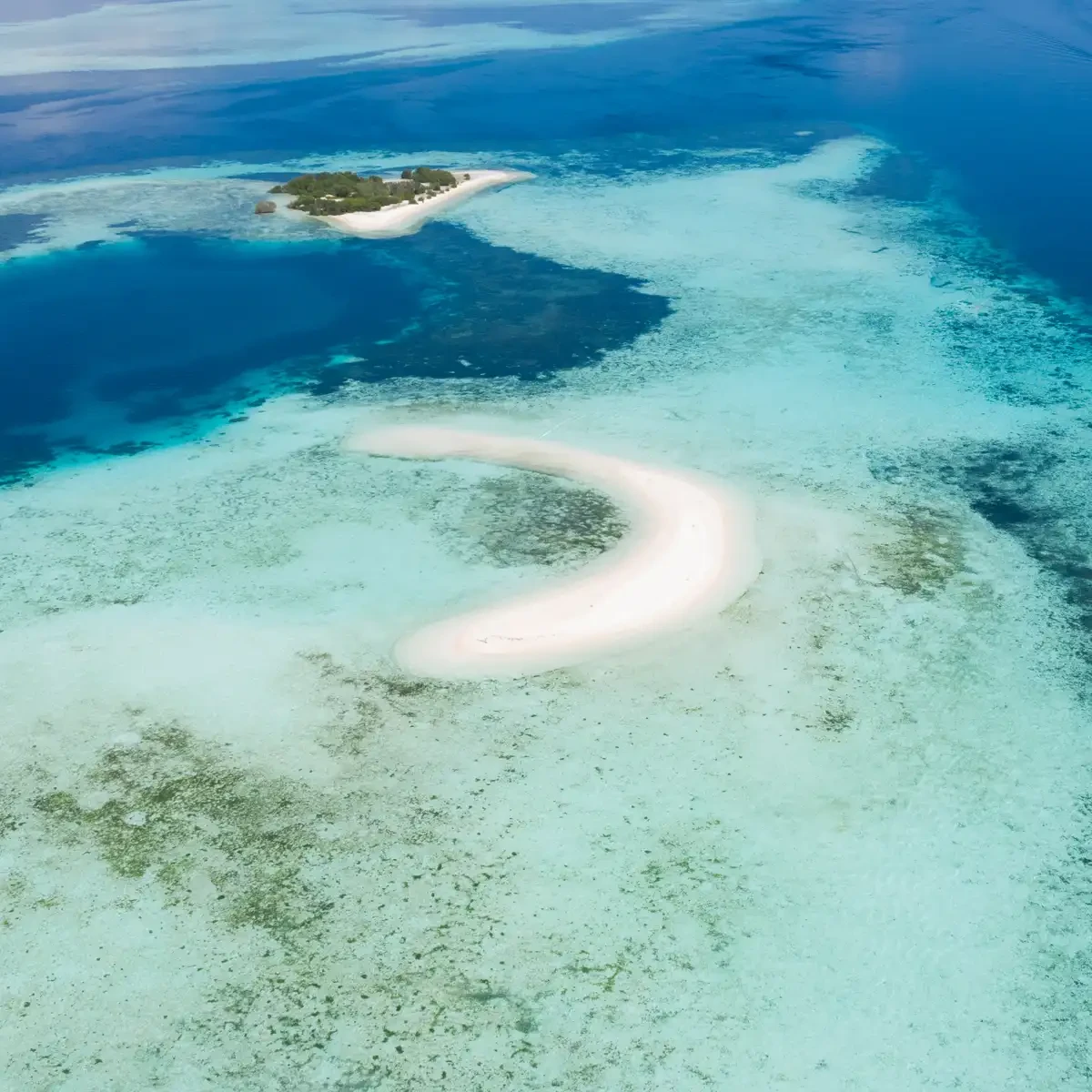
Three anchorages do the bulk of overnight duty in Komodo National Park: the sand shelf at Sebayur, the Tatawa–Batu Bolong corridor (moor or live-boat, never anchor), and Loh Buaya on Rinca for dragon landings. All three sit within a half-day of Labuan Bajo and keep your tackle clear of the coral the park authority will penalise you for damaging. Anchor in sand between 10 and 25 metres, time passes for slack water, and treat exposed bays with suspicion from June to August, when the trades run hardest.
How Komodo’s geography sets the rules
Komodo sits in the Indonesian Throughflow, where Pacific–Indian Ocean water squeezes through the Linta and Molo straits between Komodo, Rinca and Flores. Streams in the narrows regularly exceed four knots, harder at springs, with overfalls where current meets shallow ledges; tides are semi-diurnal, ranging roughly two metres at springs. Bays shelve fast to a narrow sand ledge close under the shore: find that ledge and check your set before the current turns. North-facing bays are calm June to August, the pattern flips December to February, and April–May and September–November are the settled shoulder windows.
Sebayur: the natural first night
Sebayur Besar and its smaller neighbour lie a two-hour hop from Labuan Bajo, letting you clear the harbour, anchor in daylight, and stage an early start into the central strait before the day-boat fleet arrives. The anchorage is the sand shelf off the island’s south-western side, bottom between about 8 and 20 metres, reliable holding, sheltered from the trades. Dive operators have laid moorings near the house reef; treat any buoy you did not lay as unverified and don’t trust it in a squall. Komodo Luxury maintains a destination overview of Sebayur Island worth sending to charter guests beforehand. Current here is light, making Sebayur the spot for a check dive first.
The Batu Bolong corridor: moor or live-boat, never anchor
Batu Bolong is a rock pinnacle mid-strait between Tatawa and Komodo, the one place where the no-anchoring rule needs no enforcement: the bottom falls away fast and what little ledge exists is live coral. Dive boats live-boat it (engines manned, recovering divers down-current) or hold a buoy when free; a supporting yacht should do the same, standing off with the recovery plan briefed beforehand. The workable window is the slack at the turn of the tide; current decides the day, not the itinerary. Castle Rock and other current-swept marks nearby are covered in our guide to Komodo’s dive sites for experienced divers. For the night, retire to Sebayur or Gili Lawa; the day fleet works this corridor 09:00 to 15:00, so first light buys you the site.
The Rinca approaches: Loh Buaya and the Molo side
Rinca’s ranger station sits at Loh Buaya on the north-west coast, the standard landing for dragon treks on this side of the park. The Molo Strait approach carries strong tidal streams, so plan with the tide and expect broken water where wind opposes stream.
The bay is the easiest anchoring in the park: shallow, mud and sand giving excellent holding in 5 to 15 metres, well protected. A jetty serves tender landings for the ranger station. Two cautions matter: Loh Buaya means “crocodile bay” and crocodiles live in the mangrove fringes, so keep tenders attended; and dragons swim between islands, so never leave one unattended on any beach here. Nearby, Wainilu offers an alternative anchorage, and Kalong island gives the dusk spectacle of fruit bats leaving the mangroves.
Other anchorages worth holding in the plan
Gili Lawa Darat and Gili Lawa Laut
These bays off Komodo’s northern tip are the trade-season refuge: sand bottom in 10 to 20 metres, good shelter from the south-easterlies, and a ridge walk with a sunset view over the strait. In the north-west season the arrangement reverses.
Loh Liang and Pink Beach
Loh Liang, on Komodo’s east coast, is the counterpart to Loh Buaya for dragon treks; anchor off in sand and land by tender at the jetty. Pink Beach, a short distance south, is a day anchorage only: watch the current running hard off the points at the change of tide.
Padar
Padar’s northern bay serves the famous ridge viewpoint. Treat it as a day stop unless conditions are settled, since depths run deeper and sand patches take some finding. Land early, before the viewpoint traffic builds.
Ranger and park-rule context skippers actually need
Entry requires per-person permits and vessel charges, arranged in Labuan Bajo before you enter; patrol boats check inside the park. Landings are restricted to designated sites, and where dragons are present (Loh Liang, Loh Buaya, Padar) a ranger escort is mandatory. Anchoring on coral is prohibited throughout; sand and mud are the only legitimate bottoms, and moorings at busy sites vary, so inspect before trusting. Fishing is off-limits and drone flights need a permit. The guest-side detail of landings and beach stops is covered in our guide to shore excursions for yacht guests in Komodo.
Have the paperwork and the plan done before you clear Labuan Bajo
Our desk arranges Komodo park permits, ranger bookings, agent clearances and provisioning top-ups with operators in Labuan Bajo, and can brief your captain on current mooring conditions in the week you arrive. Message WhatsApp +62 811-2859-0000 or sales@balipremiumtrip.com with your dates and draught for a workable rotation.
Keep reading
Cruising Guides
Batam for Yachts: Anchorages, Nongsa Berths and Western-Gateway Bunkering
Batam is where many yachts meet Indonesia for the first time: a clearance-capable island twenty kilometres off Singapore,…
7 min read
Cruising Guides
Anchoring at Amed: East Bali’s Quiet Roadstead for Visiting Yachts
Amed is the anchorage Bali forgot to commercialise: a string of black-sand coves under Mount Agung on the…
7 min read
Cruising Guides
Sanur Roadstead: Anchoring Off Bali’s East-Coast Sandbar
Sanur is Bali's understated roadstead: a long east-facing beach behind a fringing reef, twenty minutes from the airport,…
6 min read