
Indonesia Cruising Permit Costs in 2027: What Agencies Actually Charge
Bali Yacht Concierge Service Editorial Desk 7 min read
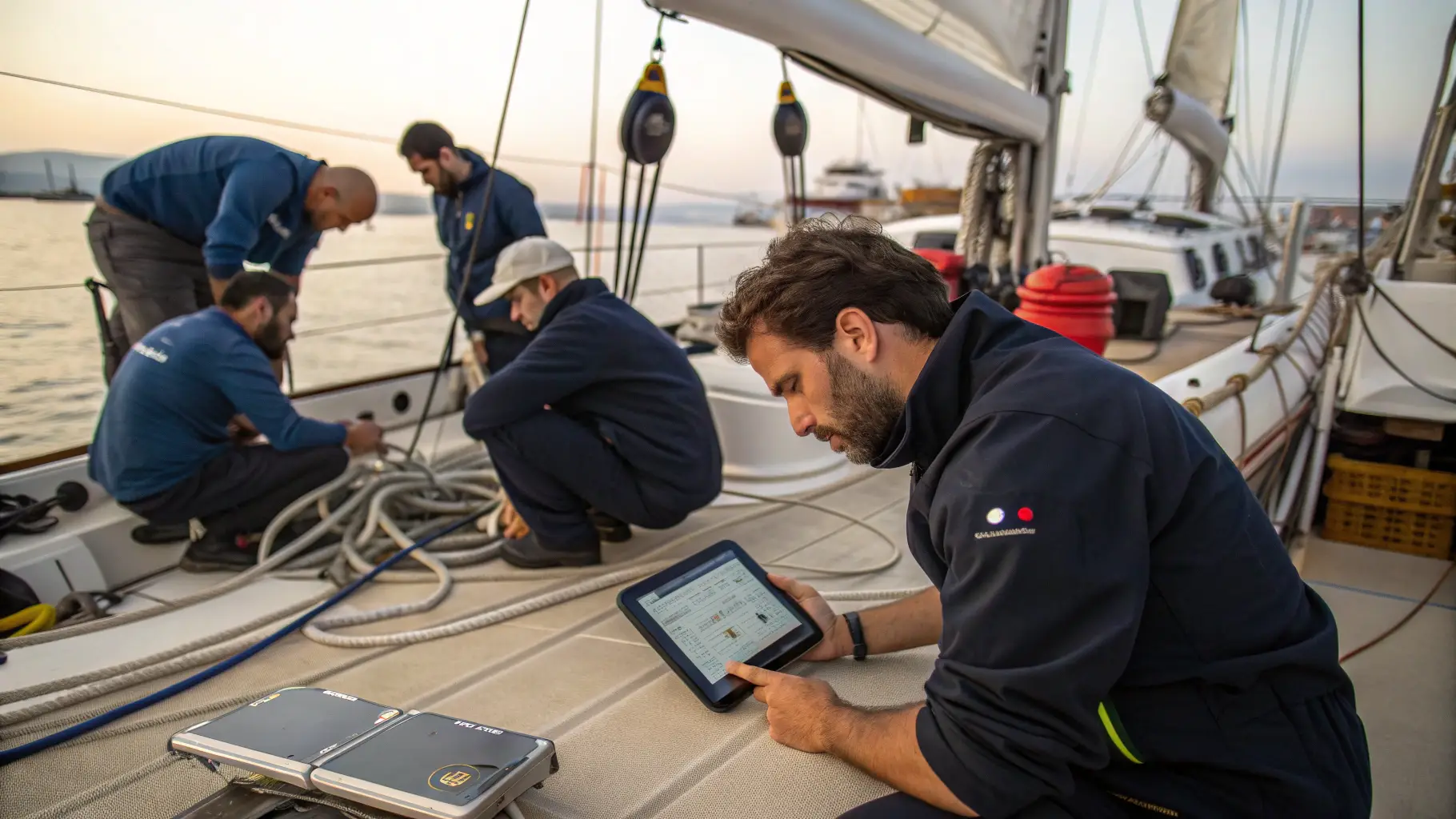
A foreign yacht’s cruising paperwork for Indonesia in 2027 costs far less in official fees than most quotes suggest. The state charges modest, published non-tax revenue (PNBP) amounts for the permissions themselves; the rest of any invoice is agency work — some of it genuinely necessary, some of it padding. This guide separates the two so you can read a quote line by line.
It deliberately covers the money, not the mechanics. For how the clearance process itself runs — declarations, CIQP sequencing, ports of entry — see our Indonesia yacht clearance desk page and the background explainer on how CAIT and CIQP fit together.
What the State Actually Charges
The official components a private foreign-flag yacht meets are: the electronic cruising approval lodged before arrival, port-call related PNBP items (light dues and small harbour charges that scale with tonnage), quarantine and health clearance fees, and — the one that surprises owners — the temporary import guarantee arrangement for the vessel itself. Each carries a published tariff. For a typical 20–30 m private yacht, the genuinely governmental line items across an entry usually total in the low hundreds of US dollars, not thousands. When a quote shows a four-figure ‘permit fee’ as a single line, that line is mostly service, not state.
What Honest Agency Work Looks Like
There is real work in a clean entry: pre-lodging the cruising approval against your itinerary, preparing crew and guest manifests, appointing the port agent, sequencing customs, immigration, quarantine and harbourmaster attendance so officials board once rather than four separate times, and holding the temporary import file straight for the vessel’s whole stay. A fair agency price for a straightforward entry sits as a working band around USD 400–900 of service fee on top of documented disbursements, more for complex cases — multiple entry ports, charter authorisation, or a vessel arriving with unresolved paperwork from a previous stay.
Reading a Padded Quote
Three patterns should slow you down. First, single-line quotes with no split between official fees and service — you cannot audit what you cannot see. Second, ‘mandatory’ extras that are nothing of the sort: escort boats for routine arrivals, per-person ‘immigration facilitation’ on top of normal manifest work, or communication surcharges. Third, urgency pricing invented by the agent’s own slowness — a file opened ten days out rarely needs expedite fees. Our desk quotes with official PNBP items passed through at documented cost and the service fee stated plainly; the same pass-through principle applies across our concierge desk rate structure.
The Checklist That Gets It Done in One Pass
Files bounce for predictable reasons. Have these consistent and legible before lodgement: registry certificate matching the hull name exactly; captain’s passport and licence; crew list with passport numbers and roles; insurance certificate current through the stay; last port clearance; itinerary with realistic dates and named areas; and, for the temporary import, the vessel’s value documentation. Mismatched names — ‘SY Alcyone’ on one paper, ‘Alcyone’ on another — remain the single most common cause of re-lodgement, and re-lodgement is where costs quietly climb.
Budgeting the Whole Stay, Not Just the Gate
The permit is the small line on the season’s budget. Budget lines that actually move: marine park entry for Komodo and Raja Ampat legs, berth or mooring costs, fuel, and crew visa runs on longer stays. A 2027 season plan that prices the entry at the gate but ignores the cruising interior usually lands 20–30% under reality. The desk builds season budgets in USD with each item sourced, so the owner sees the whole year before the boat commits.
A Worked Example, End to End
Take a 24-metre private motor yacht arriving Benoa from Singapore for a three-month season. The genuinely governmental lines across her entry — cruising approval lodgement, light dues and small harbour items, quarantine attendance — settle in the low hundreds of dollars. The temporary import guarantee is arranged against her documented value; it is an instrument, not a fee, though arranging it takes real agency work. The agency’s service quote for the full entry file — pre-lodgement, manifests, agent appointment, boarding sequence, import papers — lands at the middle of the fair band. Add the incidentals nobody advertises: launch runs for boarding officers, printing and courier, an hour of translation. Total at the gate: a four-figure sum whose majority is service and logistics, auditable line by line. The same vessel quoted a single ‘permit package’ price with no breakdown would likely pay a third more for the identical outcome — the premium of not being able to check.
Frequently Asked Questions
How much does an Indonesia cruising permit cost in 2027?
The state’s own fees are modest: published PNBP items for the cruising approval, port charges and quarantine typically total in the low hundreds of US dollars for a 20–30 m private yacht. Agency service on top fairly runs about USD 400–900 for a straightforward entry, quoted separately.
Do I need an agency for the Indonesian cruising permit?
Formally the approval is lodged electronically, but in practice an appointed agent smooths port attendance, temporary import and any mid-stay changes. The realistic question is not whether to use one, but whether their quote splits official fees from service so you can audit it.
Why do cruising permit quotes vary so much between agents?
Because service scope and padding vary, not the state tariff. Quotes diverge on bundled extras, urgency fees and how disbursements are documented. Insist on a line-item quote with PNBP at documented cost and the service fee stated plainly, then compare like with like.
What documents should be ready before lodging the permit file?
Registry certificate, captain’s passport and licence, full crew list, current insurance, last port clearance, a dated itinerary and vessel value papers for temporary import. Names must match exactly across every document — mismatches are the top cause of re-lodgement and extra cost.
Keep reading
Port Services
Burgess in Asia and the Bali Shore Desk: How Central Agents Work With Local Support
When a managed superyacht plans an Indonesian season, two layers of representation come into play. The central agent…
6 min read

Port Services
Clearing In via East Bali: Amed Formalities for Arriving Yachts
Every season a handful of yachts approach Bali from the east — out of Komodo, Lombok or the…
6 min read
Port Services
Bunkering Logistics in Bali: Trucks, Barges and Delivery Windows
Fuel in Bali reaches a yacht by one of two roads: a truck on the Benoa quay or…
7 min read