
Clearing a Foreign Yacht into Indonesia via Bali: The Benoa Entry Walkthrough
Bali Yacht Concierge Service Editorial Desk 5 min read
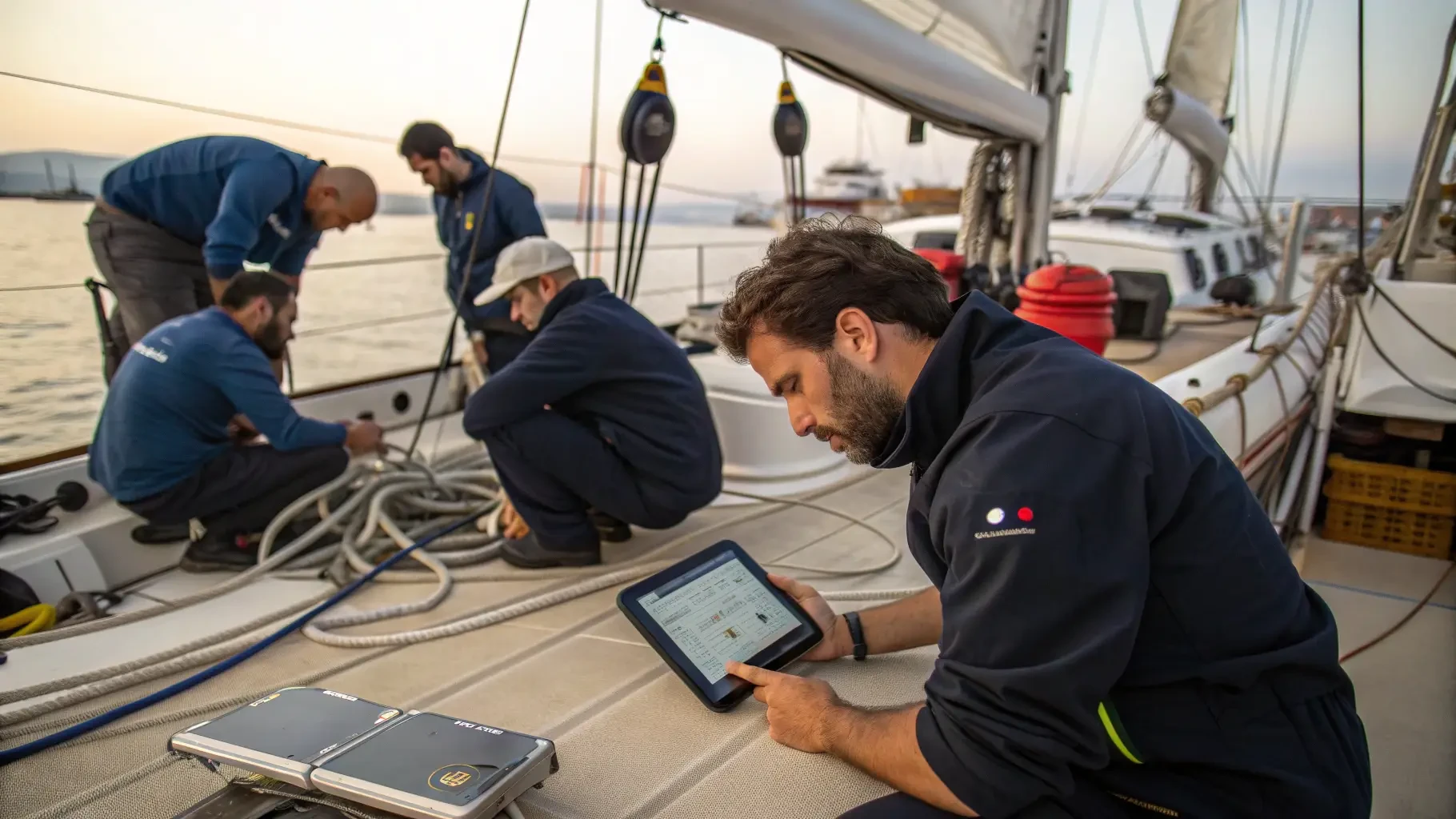
Here is the sequence in one paragraph: appoint a licensed clearance agent before your last foreign port, complete Indonesia’s online yacht registration, and have the agent lodge your notice of arrival, crew list, and vessel particulars with Benoa at least 48 hours before landfall. Arrive flying the yellow Q flag, call Benoa Port Control on VHF 16 as you approach, and proceed to the berth your agent has assigned. Then comes the CIQP boarding order: Quarantine, Customs, Immigration, Harbormaster.
Done in that order, with paperwork lodged in advance, a straightforward entry at Benoa typically clears within half a working day. Done out of order — crew ashore before pratique, an undeclared drone, a mismatched crew list — and it can stretch into days. This walkthrough covers the procedural sequence for captains: what moves before you arrive, who boards and in what order, and what each officer signs. For the regulatory background, what replaced the old CAIT permit and what a foreign flag may do commercially in Indonesian waters, see our CAIT and CIQP clearance overview.
Before You Sail: The Paperwork That Moves Ahead of You
Indonesia scrapped the CAIT sailing permit in 2015 for electronic pre-registration. A foreign pleasure yacht now registers online before arrival, declaring the vessel, crew, and intended itinerary. Most captains hand this to their agent, since the registration data must match what the agent later lodges with each authority. A mismatch between the online record, crew list, and passports on boarding day is the most common cause of delay.
What your agent lodges before you anchor
Once appointed, the agent submits the notice of arrival, books your quarantine boarding, requests your berth, and pre-advises Customs and Immigration. The agent needs this document pack while you are still at sea:
- Ship’s registration certificate and, where applicable, tonnage and radio licences
- Port clearance (zarpe) from your last foreign port
- Crew list with passport numbers, matching passports on board
- Passport scans for everyone aboard, including guests
- Hull and third-party insurance certificates
- Ship Sanitation Control Exemption Certificate (SSCEC), in date
- Vessel particulars: LOA, beam, draft, tonnage, engine, hull colour
- Declaration of anything sensitive aboard: drones, firearms, medications, satellite gear
Send clean scans, not phone photos on a chart table. Officers at Benoa work from printed copies, and illegible scans get re-requested on arrival day.
Why Benoa Suits a Komodo or Raja Ampat Passage
Benoa is a designated port of entry for foreign yachts, and for vessels routing east it is the practical choice. All four CIQP authorities sit in or beside the port, agents attend daily, and the harbour puts you two day-hops from the western entrance to the Komodo cruising grounds. Berths for larger yachts go early in the July–September season, so confirm yours early.
Arrival Day: The CIQP Boarding Sequence
The boarding order runs health first. Nobody leaves the vessel and no other officer starts work until Quarantine grants free pratique. Keep the Q flag up, keep all crew aboard, and have the document pack ready. Your agent is usually on the first boat out and marshals the sequence.
1. Quarantine: free pratique
The Port Health officer reviews the maritime declaration of health, sights the SSCEC, and may walk the vessel: galley, heads, medical kit. Once cleared you receive free pratique, the Q flag comes down, and the rest of the clearance can begin. An expired SSCEC adds an inspection and a fee, so check the date before you leave your last port; it runs six months at a time.
2. Customs: the vessel’s temporary import
Customs deals with the boat itself: verifying the vessel, taking the captain’s declaration of stores, and processing the temporary admission that lets a foreign-flagged yacht stay with import duty suspended. It follows your declared itinerary and can be extended without leaving the country, provided the vessel stays in genuine private use. Declare drones and firearms honestly; firearms are sealed aboard.
3. Immigration: the people
Immigration clears each person aboard individually. Most crew use the visa on arrival, currently 30 days and extendable once; crews planning a longer season should arrange visit visas in advance, since repeated extensions aboard a moving yacht are awkward to plan around. Sign-on and sign-off mid-stay also runs through Immigration.
4. Harbormaster: the port file
Finally the Harbormaster’s office (Syahbandar) records the vessel’s arrival, sights certificates, and opens the port file behind your outbound sailing approval. From here you are cleared in: crew ashore, tender in the water, provisioning underway.
After Clearance: Moving On Toward Komodo
Entry clearance admits the yacht to Indonesia; it does not remove the paperwork between ports. Each departure needs a sailing approval from the local Harbormaster, and your Benoa arrival file is what every later office relies on. Keep stamped originals aboard, keep AIS transmitting, and log crew changes as they happen. Temporary admission covers private pleasure use only; paid charters on a foreign flag are a separate regulatory question, covered in our clearance and charter regulation guide.
Getting the File Lodged
Bali Yacht Concierge is a concierge desk, not the customs office: we prepare your document pack, coordinate the licensed ship agent at Benoa, and sequence the boarding so your first day is spent clearing in the morning and provisioning by afternoon. Send your vessel particulars and arrival window on WhatsApp at +62 811-2859-0000 or sales@balipremiumtrip.com for a matched pre-arrival checklist.
Keep reading
Port Services
Indonesia Cruising Permit Costs in 2027: What Agencies Actually Charge
A foreign yacht's cruising paperwork for Indonesia in 2027 costs far less in official fees than most quotes…
7 min read
Port Services
Burgess in Asia and the Bali Shore Desk: How Central Agents Work With Local Support
When a managed superyacht plans an Indonesian season, two layers of representation come into play. The central agent…
6 min read

Port Services
Clearing In via East Bali: Amed Formalities for Arriving Yachts
Every season a handful of yachts approach Bali from the east — out of Komodo, Lombok or the…
6 min read