
Navigating Bali Yacht Charter Regulations and Permit Requirements in 2027
Bali Yacht Concierge Service Editorial Desk 6 min read
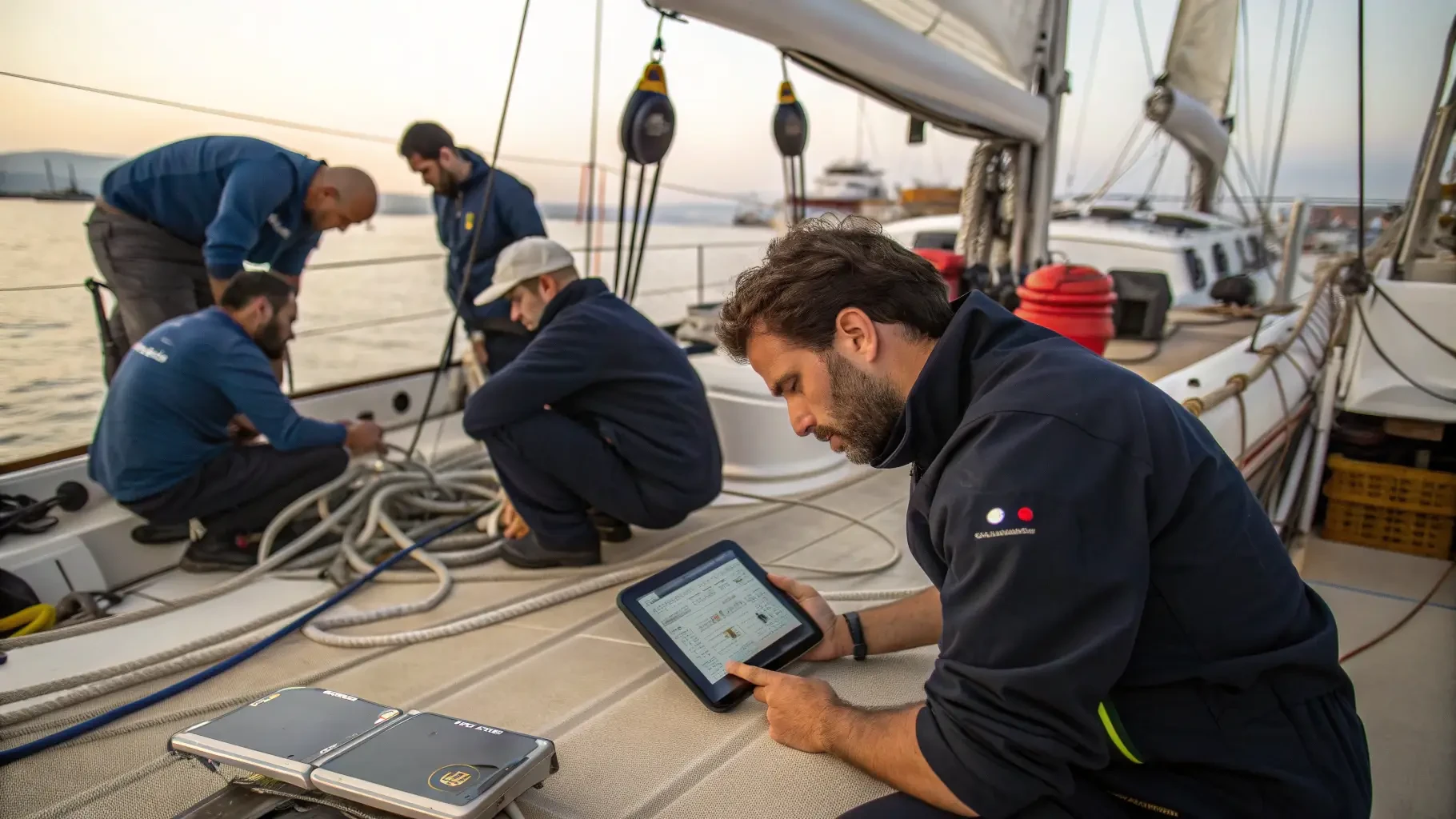
Understanding Bali yacht charter regulations and permit requirements in 2027 is essential for a compliant and enjoyable voyage. This guide details the necessary documentation and legal frameworks governing luxury yacht operations, bareboat charters, and crewed services in Indonesian waters, ensuring adherence to local maritime law.
As 2027 unfolds, Indonesia’s maritime sector, particularly around Bali, continues to refine its operational guidelines for yacht charters. These regulations are designed to ensure safety, environmental protection, and a structured approach to marine tourism. For anyone considering a yacht charter in Bali, whether a fully crewed superyacht or a bareboat catamaran, a clear understanding of the permit requirements is paramount.
Understanding Yacht Classification and Operational Permits
Yachts operating in Indonesian waters are categorised based on their size, purpose, and flag state. Commercial yachts, which include all chartered vessels, require specific permits that differ significantly from those for private yachts. These permits are issued by various governmental bodies, including the Ministry of Transportation and the Directorate General of Sea Transportation.
For foreign-flagged yachts, a Temporary Import Permit (TIP) is a fundamental requirement. This permit allows the vessel to operate in Indonesian waters for a specified period, typically renewable. Additionally, a Clearance Inward and Outward (CIO) document is mandatory for each port entry and exit. This ensures that authorities are aware of the vessel’s movements and can verify compliance with customs and immigration procedures.
Indonesian-flagged yachts, while not requiring a TIP, must adhere to domestic commercial vessel regulations, which include specific licences for the vessel’s operation and crew certifications. The shift towards greater oversight in recent years means that all operators must demonstrate a thorough understanding of these requirements.
Crew Certification and Passenger Manifests
All crew members on chartered yachts in Indonesia must possess valid certifications appropriate to their roles and the vessel’s size. For foreign-flagged vessels, international certifications are generally accepted, but local endorsements may be required for prolonged stays or specific operational areas. Indonesian-flagged vessels require crew to hold certifications issued by Indonesian maritime authorities.
A detailed passenger manifest is another non-negotiable requirement. This document, listing all individuals aboard, must be submitted to port authorities before departure and upon arrival. This is critical for security, immigration, and emergency response purposes. Failure to provide accurate and timely manifests can result in significant delays and penalties.
Environmental Regulations and Protected Areas
Indonesia is home to some of the world’s most biodiverse marine ecosystems, and environmental protection is a key focus of maritime regulations. Yachts operating in Bali and surrounding areas must adhere strictly to waste management protocols, including proper disposal of greywater, blackwater, and solid waste. Anchoring in coral reefs or other sensitive habitats is strictly prohibited, with designated mooring areas often provided.
Many popular cruising destinations, such as Komodo National Park and Raja Ampat, are protected marine areas. Operating in these regions requires additional permits and adherence to specific conservation guidelines. These may include restrictions on fishing, diving practices, and even the number of visitors at any given time. Ignorance of these regulations is not an excuse, and penalties for environmental damage are severe.
Bareboat Charter Specifics in 2027
Bareboat charters, where licensed sailors operate the vessel without a professional crew provided by the charter company, have distinct requirements. While less common for larger luxury yachts, bareboat catamarans are gaining popularity in certain segments. In 2027, bareboat operators must provide proof of sailing qualifications, such as an International Certificate of Competence (ICC) or equivalent. Insurance coverage, including third-party liability, is also mandatory.
The charter agreement itself will detail the responsibilities of the bareboat operator, including adherence to local maritime laws and safety protocols. It is advisable for bareboat charterers to familiarise themselves with local navigation rules, weather patterns, and emergency procedures specific to Indonesian waters. While the freedom of a bareboat charter is appealing, the responsibility for compliance rests entirely with the charterer.
The Role of Yacht Concierge Services
Navigating these regulations can be complex, particularly for those unfamiliar with Indonesian bureaucracy. This is where a reputable yacht concierge service becomes invaluable. A good concierge will handle all permit applications, ensure compliance with customs and immigration, and provide up-to-date information on local regulations. They can also assist with provisioning, itinerary planning, and arranging shore excursions, ensuring a smooth and compliant experience.
Consider the logistical complexities of obtaining a TIP, managing CIOs for multiple ports, and ensuring all crew certifications are in order. A dedicated concierge streamlines this process, allowing charter guests to focus solely on enjoying their voyage. They can also facilitate specialised services, such as police escort bali for high-profile clients, ensuring security and discretion.
Market Trends and Pricing Overview for 2026/2027
The Indonesian yacht charter market continues to grow, with increasing demand for luxury experiences. Prices vary significantly based on yacht size, age, amenities, and crew complement. Here is an overview of typical weekly charter prices in USD for 2026/2027:
| Yacht Type/Size | Example Vessel | Weekly Price (USD) | Notes |
|---|---|---|---|
| Superyachts (50m+) | 70m Benetti (2020/2025) | $700,000 | Fully crewed luxury |
| Superyachts (50m+) | 52m Benetti (1995/2024) | $200,000 | Fully crewed luxury |
| Mid-Sized Yachts (40-50m) | 50m Haji Abdullah (2025) | $105,000 | Fully crewed luxury |
| Mid-Sized Yachts (40-50m) | 40m Konjo Boat builders (2007/2021) | $55,300 | Fully crewed luxury |
| Entry-Level Luxury Phinisi (20-35m) | (4-8 guests) | $4,500 – $6,500 per night | Crewed, per night pricing |
| Bareboat Catamaran | (Licensed sailors) | ~$10,000 | Per week, without crew |
The market shows a strong preference for sustainable and eco-friendly yachting options, with an increasing number of vessels incorporating advanced environmental technologies. Demand from High Net Worth Individuals (HNWIs) and Ultra High Net Worth Individuals (UHNWIs) is projected to continue its upward trajectory, particularly for bespoke, experiential charters.
Future Outlook and Regulatory Adaptations
Looking ahead, it is anticipated that Indonesian maritime regulations will continue to evolve, with a focus on streamlining processes while maintaining strict standards for safety and environmental protection. Digitalisation of permit applications and increased inter-agency cooperation are likely developments that will benefit both operators and charter guests.
The emphasis on local employment and the promotion of Indonesian maritime heritage, such as traditional Phinisi vessels, will also likely shape future policies. Staying informed through reliable sources and utilising experienced local agents or concierge services will remain crucial for a compliant and enjoyable Bali yacht charter experience in 2027 and beyond.
What are the primary permits required for a foreign-flagged yacht charter in Bali in 2027?
The primary permits required for a foreign-flagged yacht charter in Bali in 2027 include a Temporary Import Permit (TIP) to allow the vessel to operate in Indonesian waters, and Clearance Inward and Outward (CIO) documents for each port entry and exit. Additionally, all crew must hold valid international certifications, and a comprehensive passenger manifest is mandatory.
Are there specific environmental regulations for yacht charters in Bali’s protected marine areas?
Yes, yachts operating in Bali’s protected marine areas, such as national parks, are subject to stringent environmental regulations. These include strict waste management protocols for greywater, blackwater, and solid waste, and a prohibition on anchoring in coral reefs or other sensitive habitats. Additional specific permits and adherence to conservation guidelines, such as restrictions on fishing and diving, are often required for these zones.
Keep reading
Port Services
Indonesia Cruising Permit Costs in 2027: What Agencies Actually Charge
A foreign yacht's cruising paperwork for Indonesia in 2027 costs far less in official fees than most quotes…
7 min read
Port Services
Burgess in Asia and the Bali Shore Desk: How Central Agents Work With Local Support
When a managed superyacht plans an Indonesian season, two layers of representation come into play. The central agent…
6 min read

Port Services
Clearing In via East Bali: Amed Formalities for Arriving Yachts
Every season a handful of yachts approach Bali from the east — out of Komodo, Lombok or the…
6 min read